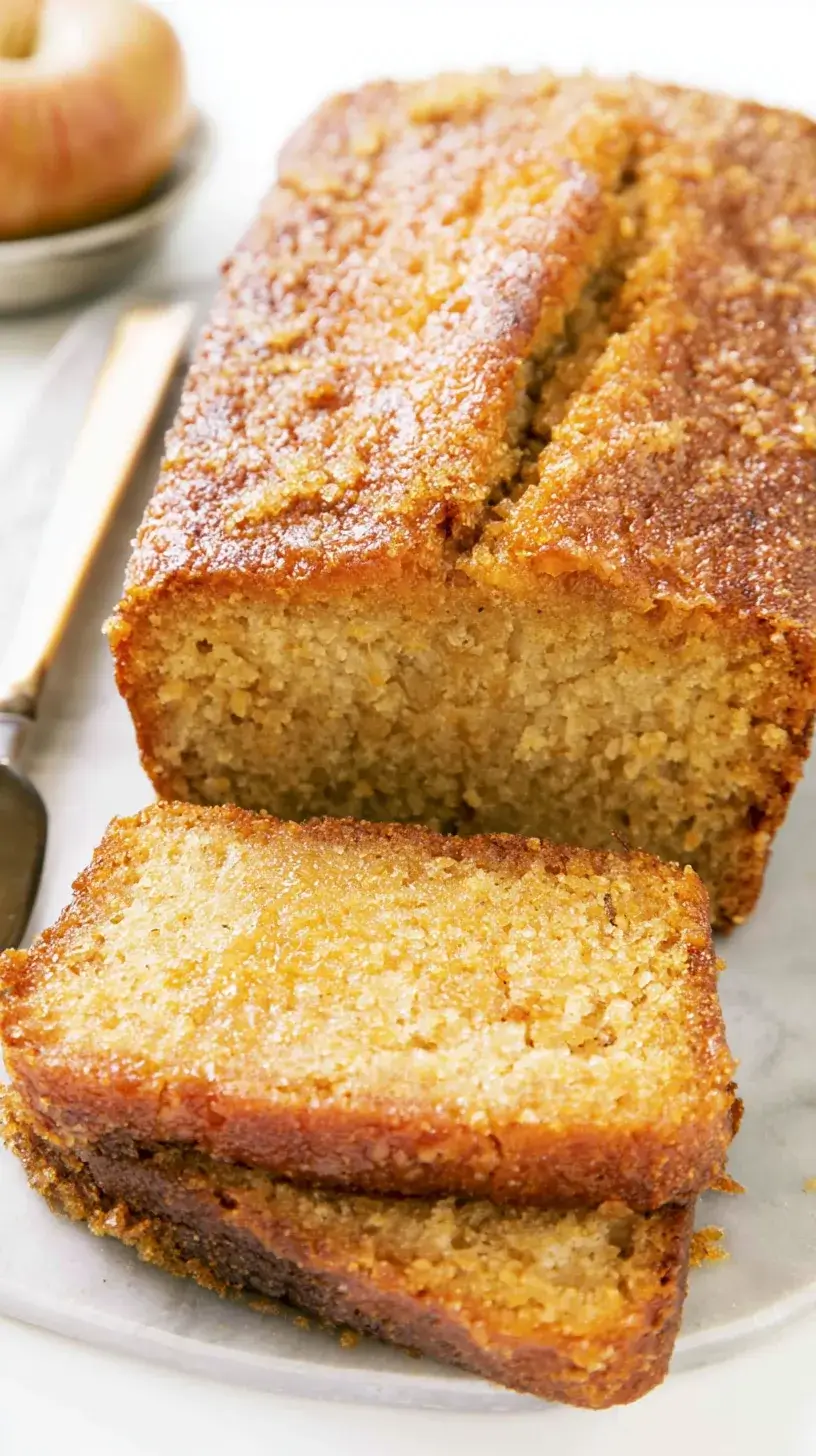
There’s something magical about the smell of apple cider loaf baking in your oven on a crisp autumn morning. This moist, tender quick bread captures all the flavors of fall—sweet apple cider, warm cinnamon, nutmeg, and fresh apples—in one delicious package. Perfect for breakfast, brunch, or an afternoon treat with coffee, this apple cider loaf is easier to make than you might think and requires no special equipment. Once you try this recipe, it’s guaranteed to become your new go-to fall baking tradition.
Why This Apple Cider Loaf Is Your New Fall Favorite
Moist, Tender Crumb with Intense Apple Flavor
The hallmark of a great apple cider loaf is its texture—moist, tender, and never dry. This recipe achieves that perfect crumb through a combination of reduced apple cider (which concentrates the flavor), butter for richness, and the natural moisture from fresh apples. The reduced apple cider is the secret weapon: by simmering regular apple cider down to about a quarter of its original volume, you create an intensely flavored syrup that infuses every bite with pure apple essence. Fresh Granny Smith apples add texture and tartness that balances the sweetness. The result is a loaf that stays moist for days and delivers intense apple flavor without being overly sweet or cloying.
Perfect for Autumn Mornings and Brunch Gatherings
This apple cider loaf is practically synonymous with fall. It’s the kind of bread you want to slice up on a crisp Saturday morning while sipping coffee and watching the leaves change. The warm spices—cinnamon, nutmeg, and allspice—evoke memories of pumpkin patches, Halloween, and Thanksgiving gatherings. It’s equally at home on a casual weekday breakfast table as it is at an elegant autumn brunch with friends. The loaf’s beautiful golden-brown color and inviting aroma make it a natural centerpiece for any fall gathering. Serve it warm with butter, or at room temperature with a cup of hot apple cider or spiced tea for the ultimate autumn experience.
Easier Than You Think – No Special Equipment Needed
Despite its impressive flavor and bakery-quality results, this apple cider loaf is surprisingly easy to make. You don’t need a stand mixer, food processor, or any fancy equipment—just mixing bowls, a loaf pan, and basic kitchen tools. The method is straightforward: reduce the apple cider (which you can do ahead of time), mix wet ingredients, mix dry ingredients, combine, fold in the apples, and bake. There’s no yeast, no kneading, no waiting for dough to rise. It’s a quick bread, meaning it uses baking powder for leavening, which makes it much faster than traditional yeast breads. Even beginner bakers can achieve excellent results with this forgiving recipe.
Makes a Wonderful Holiday Gift or Teacher Appreciation Treat
Homemade baked goods make some of the best gifts, and this apple cider loaf is no exception. Its long shelf life (it stays moist for 4-5 days) makes it perfect for gifting. Wrap a cooled loaf in parchment paper, tie with twine or ribbon, and attach a handwritten note for a thoughtful, personal gift. It’s ideal for teacher appreciation, neighbor gifts, hostess presents, or care packages for college students. The loaf travels well and doesn’t require refrigeration, making it easy to transport. During the holiday season, package it in a festive loaf pan or decorative tin. You can even slice and wrap individual portions for multiple smaller gifts. Everyone loves receiving homemade bread, and this apple cider loaf is impressive enough to feel special while being approachable enough that you’ll want to make it regularly.
Ingredients for the Perfect Apple Cider Bread Loaf
Reduced Apple Cider and Fresh Granny Smith Apples
The star ingredient is apple cider, but not just any apple cider—you need to reduce it first. Start with 2 cups of good-quality apple cider (not apple juice, which is filtered and clearer; cider is cloudier and more flavorful). Simmer it in a saucepan over medium heat for 20-30 minutes until it reduces to about 1/2 cup of thick, syrupy liquid. This reduced cider is what provides the intense apple flavor. For the apples, Granny Smith are ideal because they hold their shape during baking and provide a nice tart contrast to the sweet bread. You’ll need 2 medium apples, peeled and diced into small (1/4-inch) pieces. The small dice ensures even distribution throughout the loaf and prevents large chunks that might sink.
All-Purpose Flour, Brown Sugar, and Eggs
The dry base of this loaf is all-purpose flour (about 2 to 2.5 cups), which provides structure without being too dense. Brown sugar (about 3/4 to 1 cup, light or dark) adds moisture and a subtle molasses flavor that complements the apple and spices beautifully. White sugar can be used, but brown sugar creates a moister, more flavorful loaf. You’ll need 2-3 large eggs, which provide structure, richness, and help the loaf rise. Room temperature eggs incorporate more easily into the batter. Some recipes use a combination of brown and white sugar for balanced sweetness. The key is not to overmix once you add the flour—mix just until combined to avoid a tough, dense loaf.
Fall Spices: Cinnamon, Nutmeg, and Allspice
The spice blend is what makes this loaf taste distinctly autumn. You’ll want 1-2 teaspoons of ground cinnamon (the dominant spice), 1/4 to 1/2 teaspoon of ground nutmeg (use freshly grated if possible for best flavor), and 1/4 teaspoon of ground allspice (which adds warmth and complexity). Some recipes also include a pinch of ground cloves or ginger for extra depth. The key is balance—you want the spices to complement the apple, not overpower it. If you have apple pie spice blend on hand, you can use 1-2 teaspoons of that instead of individual spices. Freshly ground spices have more potent flavor than old spices sitting in your pantry, so if your spices are more than a year old, consider replacing them for best results.
Butter, Baking Powder, and Vanilla Extract
Fat is essential for a moist, tender loaf, and butter is the classic choice. You’ll need about 1/2 to 3/4 cup (1 to 1.5 sticks) of unsalted butter, melted and cooled slightly. Butter provides flavor and richness that oil can’t match, though some recipes use a combination of both. Baking powder (about 1.5 to 2 teaspoons) is the leavening agent that makes the loaf rise—make sure yours is fresh (replace if it’s more than 6 months old) for best results. A teaspoon of vanilla extract enhances all the other flavors and adds a subtle sweetness. Some recipes also include a pinch of salt (if using unsalted butter) to balance the sweetness and enhance overall flavor.
How to Make Apple Cider Loaf from Scratch
Reducing Apple Cider for Maximum Flavor
The first step, which you can do a day or two ahead, is reducing the apple cider. Pour 2 cups of apple cider into a medium saucepan and bring to a simmer over medium heat. Reduce heat to medium-low and let it simmer gently, stirring occasionally, for 20-30 minutes. You’re looking for it to reduce to about 1/2 cup of thick, syrupy liquid. It should coat the back of a spoon and have an intense apple aroma. Don’t rush this step by turning up the heat too high, as it can scorch. Keep an eye on it toward the end—it can go from perfect to burned quickly. Once reduced, let it cool completely before using. You can make this ahead and store it in the refrigerator for up to a week.
Mixing Wet and Dry Ingredients Properly
Proper mixing technique is crucial for a tender loaf. Start by whisking together your dry ingredients in a large bowl: flour, baking powder, spices, and salt (if using). In a separate bowl, whisk together the wet ingredients: reduced apple cider (cooled), melted butter, brown sugar, eggs, and vanilla. The wet mixture will be somewhat thin—that’s normal. Make a well in the center of the dry ingredients and pour in the wet mixture. Using a wooden spoon or spatula, gently fold the wet and dry ingredients together until just combined. The batter will be thick and lumpy—this is exactly what you want. Overmixing develops gluten, which makes the loaf tough, so stop mixing as soon as you no longer see dry flour.
Baking Time, Temperature, and Doneness Tests
Preheat your oven to 350°F (175°C). Grease a 9×5-inch loaf pan and line it with parchment paper, leaving an overhang on the long sides for easy removal. Pour the batter into the prepared pan and smooth the top. Bake for 55-70 minutes. The exact time depends on your oven, the accuracy of your temperature, and how much moisture is in your apples. Start checking at 55 minutes by inserting a toothpick or cake tester into the center of the loaf. If it comes out clean or with just a few moist crumbs (not wet batter), the loaf is done. The top should be golden brown and spring back when lightly pressed. If the top is browning too quickly before the center is done, loosely tent with aluminum foil.
Glazing and Topping Options for Extra Deliciousness
While this loaf is delicious plain, a glaze or topping takes it to the next level. A simple apple cider glaze is easy: whisk together 1 cup powdered sugar with 2-3 tablespoons of the reduced apple cider (or regular cider) until smooth. Drizzle over the cooled loaf. For a streusel topping, mix 1/4 cup flour, 1/4 cup brown sugar, 1/2 teaspoon cinnamon, and 2 tablespoons cold butter (cut into pieces) until crumbly. Sprinkle over the batter before baking. A cream cheese glaze (beat 4 oz cream cheese with 1 cup powdered sugar and 1-2 tablespoons milk) adds tangy richness. Some people like to sprinkle the top with cinnamon sugar before baking for a crackly, sweet crust. Add toppings after the loaf has cooled for 10-15 minutes so the glaze sets properly.
Serving Suggestions for Your Autumn Loaf Cake
Best Ways to Slice and Serve Apple Cider Bread
How you slice and serve your apple cider loaf can enhance the experience. Let the loaf cool in the pan for 10-15 minutes, then use the parchment overhang to lift it out and transfer to a wire rack to cool completely before slicing. This prevents it from becoming gummy. Use a serrated bread knife for clean slices—cut about 3/4-inch to 1-inch thick slices. Serve at room temperature for the best flavor and texture, though some people love it slightly warmed. For breakfast or brunch, serve with softened butter, apple butter, or cream cheese. A drizzle of honey or maple syrup adds extra sweetness. For dessert, top with a scoop of vanilla ice cream or whipped cream and a sprinkle of cinnamon.
Pairing with Coffee, Tea, or Hot Cider
The right beverage pairing elevates your apple cider loaf experience. Hot coffee is classic—a medium roast complements the spices without overpowering them. Add a splash of cream or flavored creamer (caramel, vanilla, or cinnamon) for extra indulgence. Tea lovers will enjoy black tea (Earl Grey or English Breakfast), chai tea latte (the spices echo those in the loaf), or herbal apple cinnamon tea. During fall and winter, hot apple cider is the ultimate pairing—sip cider while eating apple cider loaf for maximum autumn vibes. For a non-caffeinated option, try hot chocolate or steamed milk with cinnamon. Iced versions work too: iced coffee, iced chai, or cold apple cider make refreshing warm-weather pairings.
Breakfast, Brunch, or Dessert – When to Serve
One of the best things about apple cider loaf is its versatility. For breakfast, slice it thick and serve with butter, fresh fruit, and yogurt for a balanced start to the day. It’s substantial enough to keep you full until lunch. For brunch, cut thinner slices and arrange on a platter with other breakfast breads, fresh fruit, cheese, and spreads. It’s perfect for fall brunches, Thanksgiving morning, or weekend gatherings with friends. As dessert, serve slightly warmed with vanilla ice cream, whipped cream, or a drizzle of caramel sauce. The loaf’s moderate sweetness means it works for any of these occasions without feeling too heavy or too light. It’s also excellent as an afternoon snack with tea or coffee.
Storing and Gifting Your Homemade Loaf
Proper storage keeps your apple cider loaf fresh and moist. Once completely cooled, wrap tightly in plastic wrap or aluminum foil, or store in an airtight container at room temperature. It will stay fresh for 4-5 days. For longer storage, refrigerate for up to a week (though it may dry out slightly—bring to room temperature before serving). The loaf freezes beautifully: wrap tightly in plastic wrap, then foil, and freeze for up to 3 months. Thaw overnight in the refrigerator or at room temperature. For gifting, let the loaf cool completely, then wrap in parchment or wax paper, tie with twine or ribbon, and add a tag. You can also bake in disposable aluminum loaf pans with decorative lids for easy gifting. Include reheating instructions if gifting to someone unfamiliar with the recipe.
Storage Tips, Variations, and FAQs
How to Keep Your Loaf Moist for Days
The key to keeping apple cider loaf moist is proper storage and ingredient balance. The reduced apple cider, butter, and brown sugar all contribute to moisture retention. Store the completely cooled loaf wrapped tightly in plastic wrap or in an airtight container at room temperature. If your kitchen is very humid or hot, refrigerate to prevent mold. To refresh day-old slices, warm them briefly in the microwave (10-15 seconds) or toast lightly. You can also brush the top of the cooled loaf with a little extra reduced apple cider or simple syrup to add moisture and shine. Avoid cutting the loaf until you’re ready to serve it—each cut exposes more surface area to air, which can dry it out.
Freezing Apple Cider Loaf for Later Enjoyment
This loaf freezes exceptionally well, making it perfect for batch baking and future enjoyment. To freeze, let the loaf cool completely (this prevents condensation that can make it soggy). Wrap tightly in plastic wrap, then wrap again in aluminum foil or place in a heavy-duty freezer bag. Label with the date and contents. The loaf will keep in the freezer for up to 3 months with good quality. To thaw, transfer to the refrigerator overnight or let it come to room temperature on the counter for a few hours. For individual slices, you can freeze them separately and thaw as needed—perfect for quick breakfasts. You can also freeze the loaf before glazing, then add fresh glaze after thawing for best presentation.
Dairy-Free and Egg-Free Substitutions
This recipe can be adapted for various dietary needs. For dairy-free, substitute the butter with an equal amount of coconut oil (melted), vegan butter (like Earth Balance), or neutral oil (like canola or vegetable). The loaf will still be moist and delicious, though the flavor will be slightly different. For egg-free, you have several options: use 1/4 cup unsweetened applesauce per egg (adds moisture and complements the apple flavor), use commercial egg replacer (like Bob’s Red Mill), or try a flax egg (1 tablespoon ground flaxseed mixed with 3 tablespoons water per egg, let sit 5 minutes). These substitutions may slightly alter the texture, but the loaf will still be tasty. Many people can’t even tell the difference in the final product.
Can I Add Nuts, Chocolate Chips, or Streusel Topping?
Absolutely! This loaf is wonderfully customizable. Chopped walnuts or pecans (about 1/2 to 1 cup) add crunch and nutty flavor that pairs beautifully with apple and cinnamon. Toast them lightly first for maximum flavor. Chocolate chips (semi-sweet or white chocolate, about 1/2 to 1 cup) create an apple-cider-chocolate combination that’s hard to resist. Dried cranberries or raisins (1/2 cup) add chewy sweetness. A streusel topping (mix flour, brown sugar, cinnamon, and cold butter until crumbly, then sprinkle on top before baking) adds a delightful crunchy-sweet layer. You can also add a cream cheese filling by swirling sweetened cream cheese into the batter before baking. Just don’t add too many mix-ins or the loaf may not rise properly—stick to about 1 to 1.5 cups total of additions.
Cider Loaf

Ingredients
- 2 cups apple cider
- 2-2.5 cups all-purpose flour
- 3/4-1 cup brown sugar
- 1/2-3/4 cup butter melted
- 2-3 large eggs
- 1.5-2 teaspoons baking powder
- 1-2 teaspoons ground cinnamon
- 1/4-1/2 teaspoon ground nutmeg
- 1/4 teaspoon ground allspice
- 2 medium Granny Smith apples peeled and diced
- 1 teaspoon vanilla extract
- 1/4 teaspoon salt
Instructions
- Simmer apple cider in a saucepan over medium heat for 20-30 minutes until reduced to 1/2 cup. Cool completely.
- Preheat oven to 350°F (175°C). Grease a 9×5-inch loaf pan and line with parchment paper.
- Whisk together flour, baking powder, cinnamon, nutmeg, allspice, and salt.
- In a separate bowl, whisk reduced cider, brown sugar, melted butter, eggs, and vanilla.
- Pour wet ingredients into dry ingredients. Fold until just combined.
- Fold in diced apples. Pour batter into prepared pan.
- Bake 55-70 minutes until toothpick inserted in center comes out clean.
- Cool in pan 15 minutes, then transfer to wire rack.