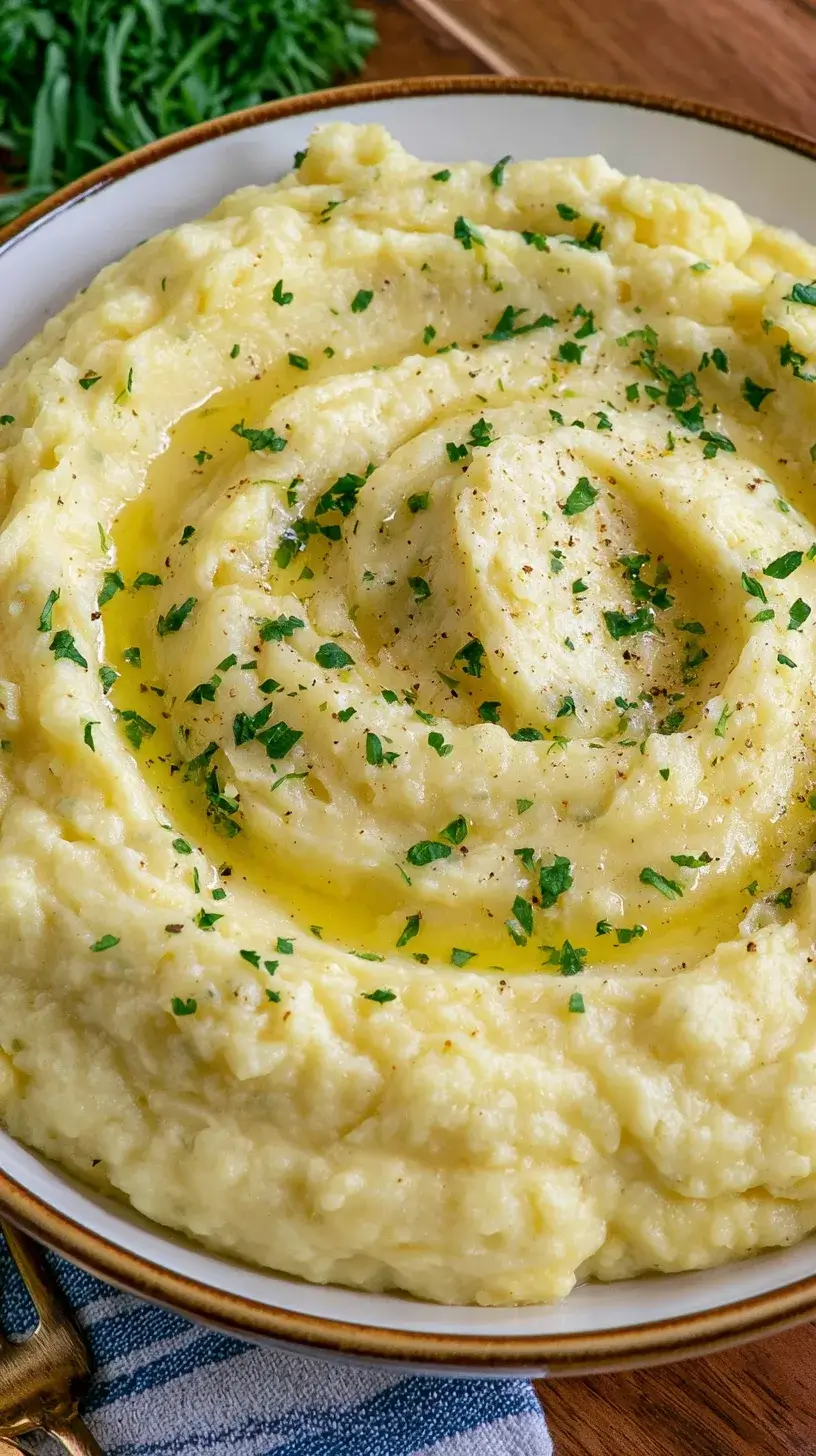
Creamy mashed potatoes are the ultimate comfort side dish for any meal, from weeknight dinners to holiday feasts. This recipe delivers silky, lump-free mashed potatoes with a rich, buttery flavor and fluffy texture that pairs perfectly with gravy, roast chicken, or steak.
Why This Creamy Mashed Potatoes Recipe Works
The best potatoes for fluffy, smooth mash (Yukon Gold vs Russet)
For the creamiest mashed potatoes, choose starchy or all-purpose potatoes like Russets or Yukon Golds. Russet potatoes have high starch content, which breaks down easily when cooked, creating a light, fluffy texture. Yukon Gold potatoes offer a buttery flavor and naturally creamy texture, making them ideal for smooth, restaurant-style mash. Avoid waxy potatoes (like red or new potatoes), as they hold their shape and can result in gluey mashed potatoes.
How dairy (butter, milk, cream) creates rich texture
The key to ultra-creamy mashed potatoes lies in the dairy. Warm milk or half-and-half prevents the potatoes from cooling down and helps them absorb the liquid evenly. Unsalted butter adds richness and a velvety mouthfeel, while heavy cream or sour cream introduces extra fat for a luxurious texture. For the smoothest results, warm your dairy before mixing it into the hot potatoes—cold dairy can make the mash gummy.
Tips for lump-free, silky mashed potatoes every time
To achieve lump-free mashed potatoes, cook the potatoes until they are fork-tender and easily break apart. Drain them well and return them to the hot pot for a minute to evaporate excess moisture. Use a potato ricer, food mill, or hand masher for smooth results; avoid blenders or food processors, which can overwork the starch and create a gluey texture. Season generously with salt and pepper, and mix in warm dairy gradually until you reach your desired consistency.
Ingredients You’ll Need for Perfect Mashed Potatoes
Potatoes, butter, and milk: choosing quality ingredients
- Potatoes: 2.5–3 lbs Russet or Yukon Gold potatoes, peeled and cut into 2-inch chunks
- Butter: 6–8 tablespoons unsalted butter, cut into pieces
- Milk or cream: 3/4–1 cup whole milk, half-and-half, or heavy cream, warmed
- Salt: 1–2 teaspoons kosher salt (adjust to taste)
- Pepper: Freshly ground black pepper to taste
Quality matters: use real butter and whole dairy for the richest flavor. If you prefer a lighter version, substitute some milk with low-fat options, but keep some fat for texture.
Flavor boosters: garlic, sour cream, or cream cheese options
Elevate your mashed potatoes with simple flavor additions:
- Garlic: Add 2–3 cloves of minced garlic to the butter while melting, or use roasted garlic for a sweeter, milder flavor.
- Sour cream: Stir in 2–3 tablespoons of sour cream for tanginess and extra creaminess.
- Cream cheese: Blend in 2–3 ounces of softened cream cheese for a rich, slightly tangy twist.
These additions complement the buttery base without overpowering the potato flavor.
Substitutions: dairy-free, vegan, and lower-fat swaps
- Dairy-free/vegan: Use plant-based butter (like coconut or olive oil-based) and unsweetened almond, oat, or cashew milk. For richness, add 1–2 tablespoons of olive oil or vegan cream cheese.
- Lower-fat: Replace some butter with additional warm milk or Greek yogurt (for protein and tang). Note that reducing fat may affect creaminess, so adjust gradually.
These swaps allow you to enjoy creamy mashed potatoes regardless of dietary needs.
Step-by-Step Instructions for Creamy Mashed Potatoes
Boiling potatoes correctly for even cooking
- Place peeled, cubed potatoes in a large pot and cover with cold water by 1–2 inches. Add 1 tablespoon of salt to the water.
- Bring to a boil over high heat, then reduce to a simmer. Cook for 15–20 minutes, or until the potatoes are fork-tender and easily break apart.
- Avoid overcooking, as waterlogged potatoes can become gluey when mashed.
Starting with cold, salted water ensures even cooking and seasoned potatoes from the inside out.
Draining, drying, and mashing techniques (ricer vs masher)
- Drain the potatoes thoroughly in a colander.
- Return them to the hot pot over low heat for 1–2 minutes, stirring gently to evaporate excess moisture. This step prevents watery mash.
- Mash the potatoes using a potato ricer, food mill, or hand masher. For ultra-smooth results, a ricer or food mill is ideal. Avoid blenders or food processors, which can overwork the starch.
Drying the potatoes after draining is crucial for fluffy, not gummy, mashed potatoes.
Adding warm dairy and seasoning to taste
- In a small saucepan, warm the milk or cream with butter over low heat until the butter melts. Do not boil.
- Gradually add the warm dairy mixture to the mashed potatoes, stirring with a wooden spoon or spatula. Start with 3/4 cup and add more as needed for your preferred consistency.
- Season with salt and freshly ground black pepper. Taste and adjust seasoning as needed.
Mix gently to avoid overworking the potatoes, which can make them dense. Serve immediately for the best texture.
Pro Tips, Variations, and Make-Ahead Options
Garlic, herb, and cheese variations to try
- Garlic mashed potatoes: Sauté½½ minced garlic in butter before adding to the mash, or fold in roasted garlic paste.
- Herb-infused: Stir in 1–2 tablespoons of chopped fresh chives, parsley, or thyme for color and freshness.
- Cheesy mash: Add 1/2–3/4 cup of shredded cheddar, Gruyere, or Parmesan for a rich, savory twist.
These variations keep the classic base while adding new dimensions of flavor.
Make-ahead and reheating mashed potatoes without drying out
- Make-ahead: Prepare mashed potatoes up to 2 days in advance. Store in an airtight container in the refrigerator.
- Reheating: Reheat gently on the stovetop over low heat, adding a splash of warm milk or broth to restore creaminess. Alternatively, reheat in a slow cooker on low for 1–2 hours, stirring occasionally.
Avoid microwaving without added liquid, as it can dry out the potatoes.
Freezing mashed potatoes: what works and what doesn’t
- Freezing: Mashed potatoes freeze well for up to 2 months. Cool completely, then store in a freezer-safe container or bag, removing as much air as possible.
- Thawing and reheating: Thaw overnight in the refrigerator. Reheat on the stovetop with extra milk or butter to restore texture.
Note: Potatoes with high dairy content may separate slightly when frozen, but vigorous stirring during reheating will bring them back together.
Serving Ideas, Storage, and FAQs
Best dishes to serve with mashed potatoes (gravy, roast chicken, steak)
Creamy mashed potatoes are versatile and pair beautifully with:
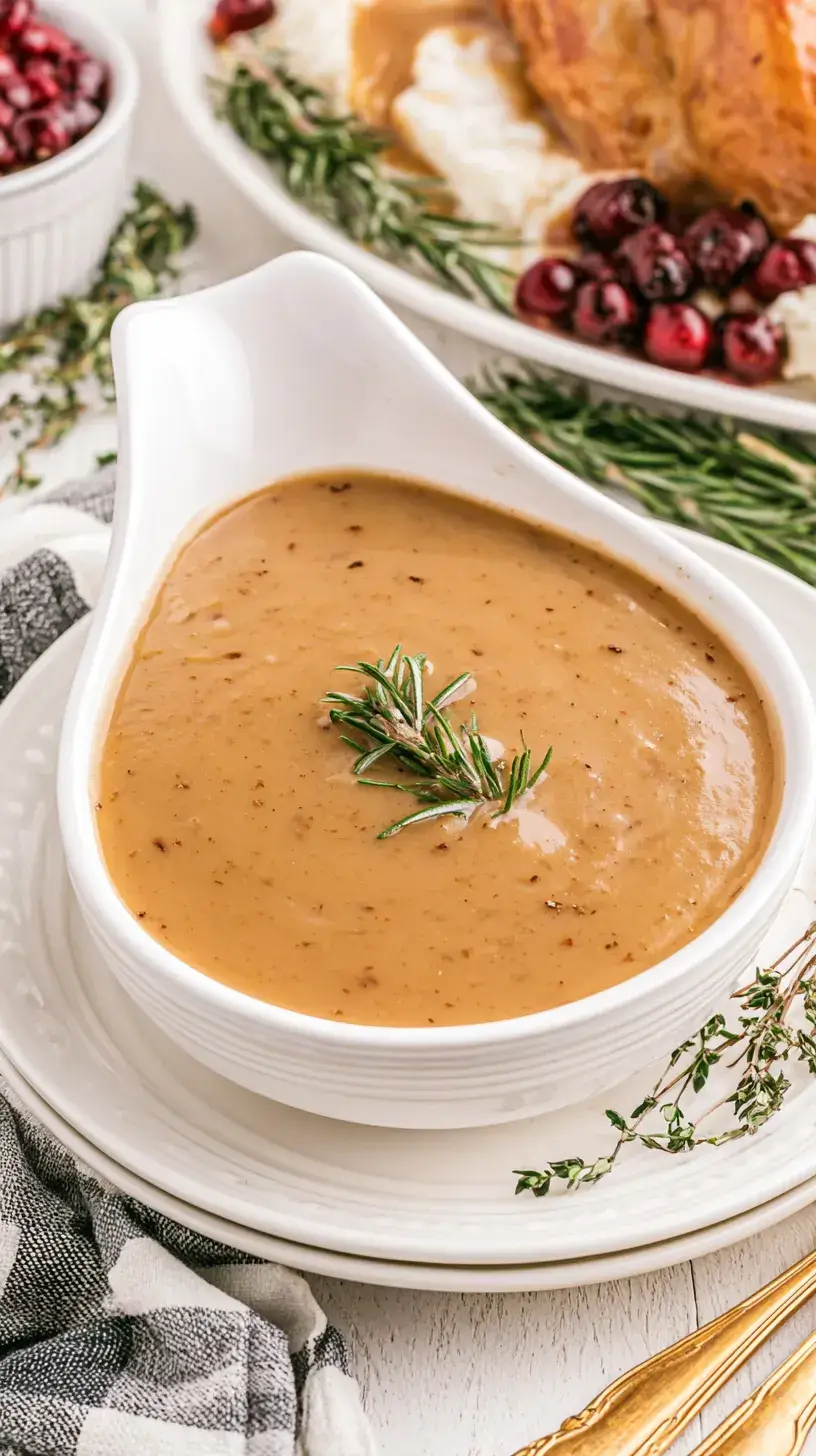
- Homemade turkey gravy or beef gravy for holiday meals
- Roast chicken or turkey with crispy skin
- Steak (like ribeye or sirloin) with pan juices
- Crockpot beef and potato soup or turkey chili as a hearty side
Their neutral flavor makes them the perfect canvas for rich sauces and proteins.
How to store and reheat leftovers safely
- Storage: Keep leftover mashed potatoes in an airtight container in the refrigerator for up to 4 days.
- Reheating: Reheat on the stovetop over low heat with a splash of milk or broth, stirring frequently. For larger batches, use a slow cooker on low.
Always reheat to an internal temperature of 165 °F (74 °C) for food safety.
FAQs: fixing watery mash, keeping potatoes warm, and more
Q: Why are my mashed potatoes watery?
A: This usually happens if the potatoes weren’t drained well or if too much liquid was added. Return watery mash to low heat and stir to evaporate excess moisture, or add a bit more mashed potato to thicken.
Q: How do I keep mashed potatoes warm for a party?
A: Transfer to a slow cooker on low, stirring occasionally. Add a little extra butter or milk to prevent drying.
Q: Can I make mashed potatoes without dairy?
A: Yes. Use plant-based butter and unsweetened non-dairy milk. For richness, add olive oil or vegan cream cheese.
Q: What’s the best way to reheat mashed potatoes?
A: Reheat gently on the stovetop with added liquid, or in a covered dish in the oven at 325 °F (160 °C) with a splash of broth.
Creamy Mashed Potatoes

Ingredients
- 2.5 –3 lbs 1.1–1.4 kg Russet or Yukon Gold potatoes, peeled and cut into 2-inch chunks
- 6 –8 tablespoons 85–115 g unsalted butter, cut into pieces
- 3/4 –1 cup 180–240 ml whole milk, half-and-half, or heavy cream, warmed
- 1 –2 teaspoons kosher salt plus 1 tablespoon for boiling water
- Freshly ground black pepper to taste
- Optional: 2–3 cloves garlic minced (for garlic mashed potatoes)
- Optional: 2–3 tablespoons sour cream or cream cheese for extra richness
Instructions
- Boil the potatoes: Place peeled, cubed potatoes in a large pot. Cover with cold water by 1–2 inches and add 1 tablespoon of salt. Bring to a boil over high heat, then reduce to a simmer. Cook for 15–20 minutes, or until potatoes are fork-tender and easily break apart.
- Drain and dry: Drain potatoes thoroughly in a colander. Return them to the hot pot over low heat for 1–2 minutes, stirring gently to evaporate excess moisture.
- Mash the potatoes: Using a potato ricer, food mill, or hand masher, mash the potatoes until smooth. Avoid blenders or food processors, which can make the mash gluey.
- Warm the dairy: In a small saucepan, combine butter and milk (or cream). Warm over low heat until butter melts. Do not boil. If using garlic, sauté½½ it in the butter before adding milk.
- Combine: Gradually add the warm dairy mixture to the mashed potatoes, stirring with a wooden spoon or spatula. Start with 3/4 cup of dairy and add more as needed for your preferred consistency.
- Season: Add 1–2 teaspoons of salt and freshly ground black pepper to taste. If using sour cream or cream cheese, stir in now. Mix gently until smooth and creamy.
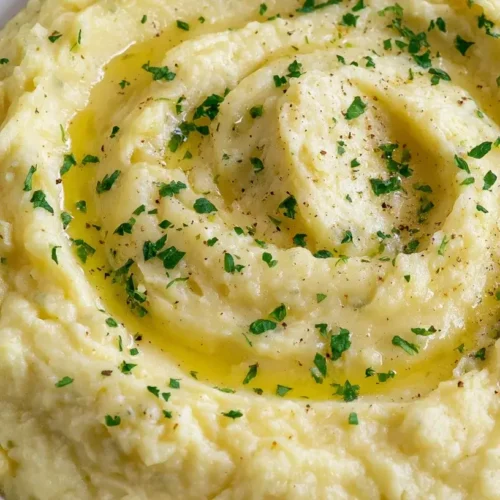
- Serve: Transfer to a serving bowl and serve immediately. Garnish with extra butter, chives, or black pepper if desired.
Notes
Calories: ~220 Total Fat: 14 g Saturated Fat: 9 g Cholesterol: 40 mg Sodium: ~450 mg Total Carbohydrates: 22 g Dietary Fiber: 2 g Sugars: 2 g Protein: 3 g Nutrition values are estimates and may vary based on ingredients used.