Watermelon Popping Boba: Easy Homemade Bursting Boba Recipe
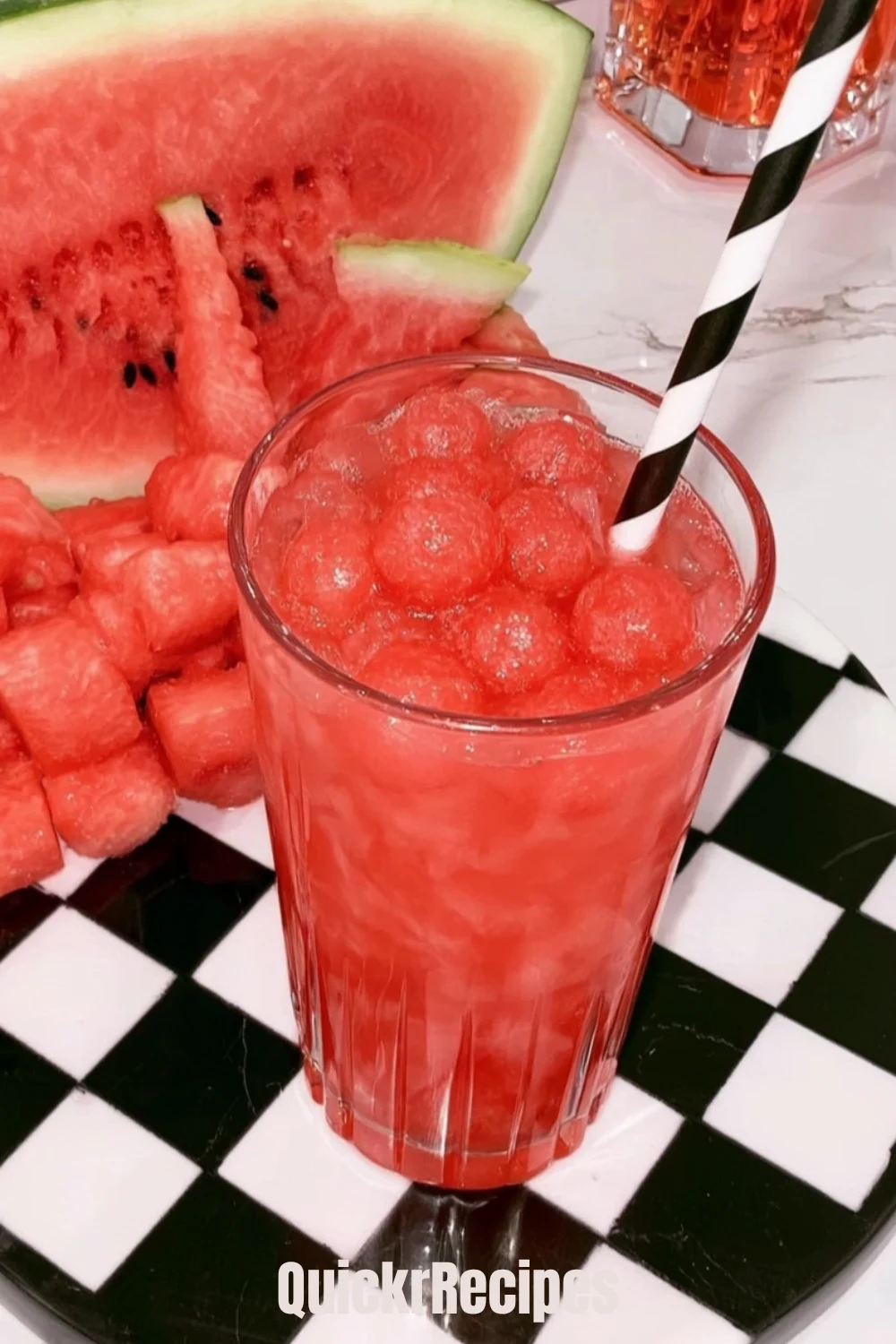
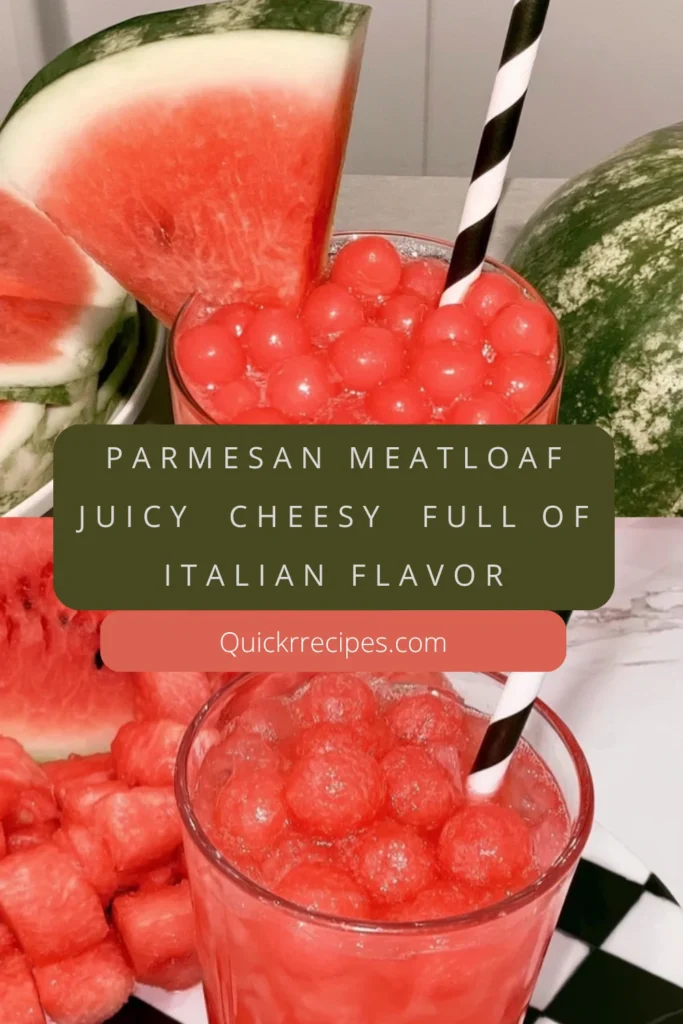
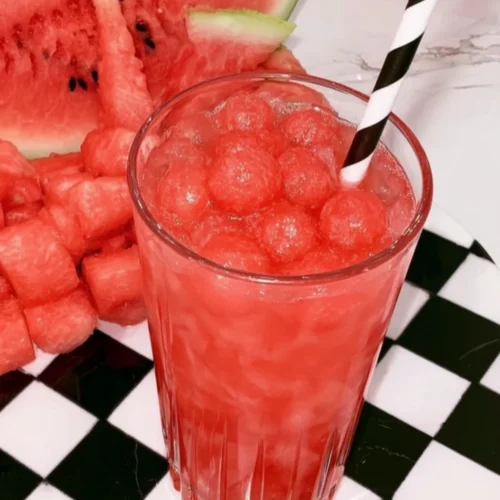
Watermelon popping boba is a fun homemade drink topping with a thin, delicate outer shell and a juicy watermelon-flavored center that bursts when you bite it. Add these bright fruit pearls to bubble tea, lemonade, sparkling water, fruit tea, yogurt bowls, shaved ice, or summer desserts.
This version uses reverse spherification: calcium lactate is blended into the watermelon mixture, then small drops are placed into a sodium alginate bath. The calcium and alginate create a thin gel membrane around the liquid center, producing true popping boba rather than chewy tapioca pearls. Reverse spherification is commonly used for liquids that are acidic or naturally contain calcium.courses.edx+1
What Is Watermelon Popping Boba?
How bursting boba gets its juice-filled center
Popping boba, also called bursting boba or juice-filled pearls, has a thin outer membrane that holds liquid inside. When pressed between the tongue and roof of the mouth, the membrane breaks and releases the watermelon-flavored liquid.
The key technique is reverse spherification. In this method, a calcium salt is mixed into the flavored liquid, while sodium alginate is dissolved in water to make a separate bath. When droplets of the calcium-watermelon mixture enter the alginate bath, a thin gel shell forms around each droplet.
Why watermelon is perfect for summer drinks
Watermelon has a light, refreshing flavor that pairs especially well with lemon, lime, mint, coconut, strawberry, pineapple, and green tea. Its pale pink color also creates a pretty summer drink topping.
Because fresh watermelon contains plenty of water, the juice should be blended and strained very well. A smooth liquid helps form rounder pearls and prevents pulp from clogging the squeeze bottle or creating uneven boba shells.
Ways to use watermelon bursting boba
Use watermelon popping boba in:
- Iced green tea with lemon or lime
- Sparkling lemonade
- Watermelon mocktails
- Coconut milk drinks
- Strawberry or mango fruit tea
- Vanilla yogurt bowls
- Shaved ice and frozen desserts
- Fruit salad cups
- Bubble tea and iced tea
For the prettiest presentation, add the boba immediately before serving so the pearls stay round, delicate, and glossy.
Ingredients and Tools for Homemade Popping Boba
Fresh watermelon juice and sweetener
Use seedless watermelon for the easiest preparation. Blend watermelon cubes until smooth, then strain the purée through a fine-mesh sieve to remove pulp.
Fresh watermelon varies in sweetness, so taste the strained juice before adding sugar. A small amount of sugar helps create a brighter, more recognizable fruit flavor, but it is optional if your melon is very sweet.
A tiny amount of lemon juice helps balance sweetness. Do not add too much, because a very acidic mixture may need pH adjustment for the spherification process to work reliably.
Calcium lactate and sodium alginate
Use food-grade calcium lactate and food-grade sodium alginate, both commonly sold in molecular-gastronomy or specialty baking sections. Calcium lactate is mixed into the watermelon liquid; sodium alginate is mixed into distilled water to make the setting bath.
Do not swap the locations of these ingredients in this recipe. Reverse spherification works by placing calcium in the flavored liquid and alginate in the water bath. A common reverse-spherification starting point is about 1% calcium lactate in the flavored liquid.blog.modernistpantry+1
Distilled water for the alginate bath
Use distilled water for the sodium alginate bath. Minerals in tap water can interfere with the mixture and make results less predictable.
Blend the sodium alginate into distilled water until fully dispersed, then let the bath rest for at least 30 minutes. Resting allows air bubbles to disappear, which helps create clearer, smoother watermelon boba spheres.coffeeteaculture+1
Syringe, squeeze bottle, or dropper
A culinary syringe, squeeze bottle, pipette, or plastic dropper helps make evenly sized pearls. For standard popping boba, use a small opening and release one drop at a time close to the surface of the alginate bath.
You also need a slotted spoon or small mesh strainer to remove the boba gently, plus a separate bowl of clean distilled water for rinsing.
How to Make Watermelon Popping Boba
Blend and strain the watermelon juice
Place seedless watermelon cubes in a blender and process until completely smooth. Pour the mixture through a fine-mesh strainer into a measuring jug or bowl.
Press lightly with a spoon to extract the juice, but avoid forcing a lot of thick pulp through the sieve. The smoother the watermelon mixture, the more evenly the boba will form.
Prepare the watermelon mixture
Measure 1 cup of strained watermelon juice. Whisk in sugar, calcium lactate, and a small amount of lemon juice until completely dissolved.
If the mixture becomes foamy after blending, let it rest in the refrigerator for 15 to 30 minutes. Fewer air bubbles create smoother, rounder drops.
Fill a squeeze bottle, dropper, or syringe with the watermelon mixture. Keep it chilled while the sodium alginate bath rests.
Make the sodium alginate bath
Add distilled water and sodium alginate to a blender or use an immersion blender. Blend until the powder is fully dispersed and the liquid looks slightly thickened.
Pour the liquid into a wide, shallow bowl. Let it rest for 30 minutes, or refrigerate it until the bubbles have mostly disappeared and the bath looks clearer.
The resting stage matters because bubbles can make the boba uneven and can keep the outer membrane from forming cleanly.coffeeteaculture+1
Form, rinse, and serve the popping pearls
Hold the squeeze bottle or dropper about 1 inch above the alginate bath. Gently release small droplets, leaving space between them so they do not stick together.
Let the watermelon pearls sit in the bath for 1 to 2 minutes. A short time creates a delicate shell that pops easily; leaving them too long makes the shell thicker.
Use a slotted spoon to transfer the pearls to a bowl of clean distilled water. Swirl gently for a few seconds to rinse away excess alginate solution, then drain and serve. Rinsing after the setting bath is a standard part of reverse-spherification methods.sites.tufts+1
Popping Boba Tips and Troubleshooting
Why your boba pearls may not form
If the drops spread, flatten, or fail to form a shell, check the following:
- Make sure you used food-grade sodium alginate and calcium lactate.
- Use distilled water for the alginate bath.
- Let the sodium alginate bath rest long enough for bubbles to settle.
- Confirm that calcium lactate went into the watermelon liquid, not the bath.
- Ensure the calcium lactate dissolved completely.
- Use smooth, strained watermelon juice with little or no pulp.
- Avoid adding too much lemon juice, as high acidity can interfere with spherification.
If your watermelon juice is especially tart or acidic, a very small amount of food-grade sodium citrate can help raise the pH. Only use it if you are familiar with the ingredient and have tested the recipe, because too much can alter the flavor.
How to make round, even popping boba
Keep the bottle opening small and release drops gently from close to the surface. Dropping liquid from too high can make teardrop-shaped pearls or cause the drops to splash.
Work in small batches and do not overcrowd the setting bath. Give each boba pearl space to form before gently moving it with a spoon.
For larger watermelon spheres, use a round measuring spoon instead of a dropper. Larger spheres need a longer setting time and are more delicate to handle.
How to prevent the pearls from sticking
Stir the alginate bath very gently after you add a batch of pearls, just enough to keep them separated. Avoid vigorous stirring because it can break the fragile shells.
Rinse finished boba in clean water and keep them in a little watermelon juice, simple syrup, or a prepared drink rather than leaving them dry. Use the finished boba soon after making it for the best popping texture.
How to adjust watermelon flavor and sweetness
Taste the watermelon liquid before adding calcium lactate. Add 1 to 2 teaspoons sugar at a time until it tastes slightly sweeter than you want the finished boba to be; the perceived flavor becomes milder once the pearls are added to a drink.
For stronger watermelon flavor, replace part of the strained juice with a small amount of watermelon syrup or use very ripe watermelon. Avoid making the liquid too thick, as thick purée does not form neat, round droplets as easily.
Serving, Storage, and FAQs
Add watermelon boba to bubble tea
Watermelon popping boba is delicious in iced green tea, jasmine tea, black tea, coconut milk tea, and lemonade bubble tea. Add 2 to 3 tablespoons of boba to the bottom of a glass, fill with ice, then pour in the drink.
Use a wide bubble-tea straw or enjoy the boba with a spoon. A narrow straw may block the larger pearls.
Use popping boba in lemonade and fruit tea
For a quick summer drink, fill a glass with ice, add sparkling lemonade or fruit tea, then spoon in watermelon bursting boba. Garnish with lime, mint, or a small watermelon wedge.
Watermelon pairs well with strawberry lemonade, cucumber-lime water, coconut water, and pineapple tea.
How long does homemade popping boba last?
Homemade popping boba is best eaten the day it is made, ideally within a few hours. The shells gradually become thicker and less delicate over time, so the boba may stop popping as easily.
Store finished boba in the refrigerator in a little watermelon juice or simple syrup, not in the alginate bath. Do not freeze them, because freezing damages the thin shells and watery centers.
Can I use other fruit juices?
Yes. This method works with smooth, strained juices or fruit purées such as strawberry, mango, passion fruit, peach, lychee, blueberry, or pineapple.
Each fruit has different acidity, thickness, and calcium content, so results may vary. Strain fibrous fruit purées, keep the liquid smooth, and test a small batch before making a large quantity.
Watermelon Popping Boba

Ingredients
For the sodium alginate bath
- 2 cups distilled water
- 1 teaspoon food-grade sodium alginate
For the watermelon popping boba
- 1 ½ cups seedless watermelon cubes
- 1 to 2 teaspoons granulated sugar optional and adjusted to taste
- ½ teaspoon food-grade calcium lactate
- ½ teaspoon fresh lemon juice optional
- 2 cups distilled water for rinsing
Instructions
- Prepare the sodium alginate bath: Add 2 cups distilled water and the sodium alginate to a blender. Blend for 1 to 2 minutes, until the sodium alginate is fully dispersed.
- Pour the alginate mixture into a wide, shallow bowl. Let it rest for at least 30 minutes, or refrigerate until most air bubbles have disappeared.
- Make the watermelon juice: Blend the watermelon cubes until completely smooth. Strain through a fine-mesh sieve to remove all pulp. Measure 1 cup strained watermelon juice.
- In a small bowl, whisk the strained watermelon juice with sugar, calcium lactate, and lemon juice, if using, until the calcium lactate is fully dissolved.
- Transfer the watermelon mixture to a squeeze bottle, culinary syringe, pipette, or dropper.
- Fill a separate bowl with 2 cups distilled water for rinsing.
- Hold the squeeze bottle about 1 inch above the rested sodium alginate bath. Release small drops of watermelon mixture into the bath, leaving space between each pearl.
- Let the popping boba sit in the alginate bath for 1 to 2 minutes.
- Use a slotted spoon or small mesh strainer to gently transfer the boba to the clean water bowl. Swirl gently for a few seconds to rinse.
- Drain well and use immediately in bubble tea, lemonade, fruit tea, sparkling drinks, yogurt bowls, or desserts.
Notes
- Use food-grade sodium alginate and calcium lactate intended for culinary use.
- Reverse spherification places calcium lactate in the fruit liquid and sodium alginate in the water bath.courses.edx+1
- Use distilled water for the alginate and rinse baths for more reliable results.
- Strain watermelon juice well; pulp can clog the dropper and produce irregular pearls.
- Let the alginate bath rest for at least 30 minutes so air bubbles settle.coffeeteaculture+1
- Let pearls set only 1 to 2 minutes for a delicate, burstable shell. Longer setting produces a thicker shell.
- Rinse finished popping boba in clean water before serving.sites.tufts+1
- Homemade watermelon popping boba is best enjoyed the same day and should not be frozen.
- If the pearls fail to form, check that the sodium alginate and calcium lactate were used in the correct liquids and that your watermelon juice is smooth and not overly acidic.