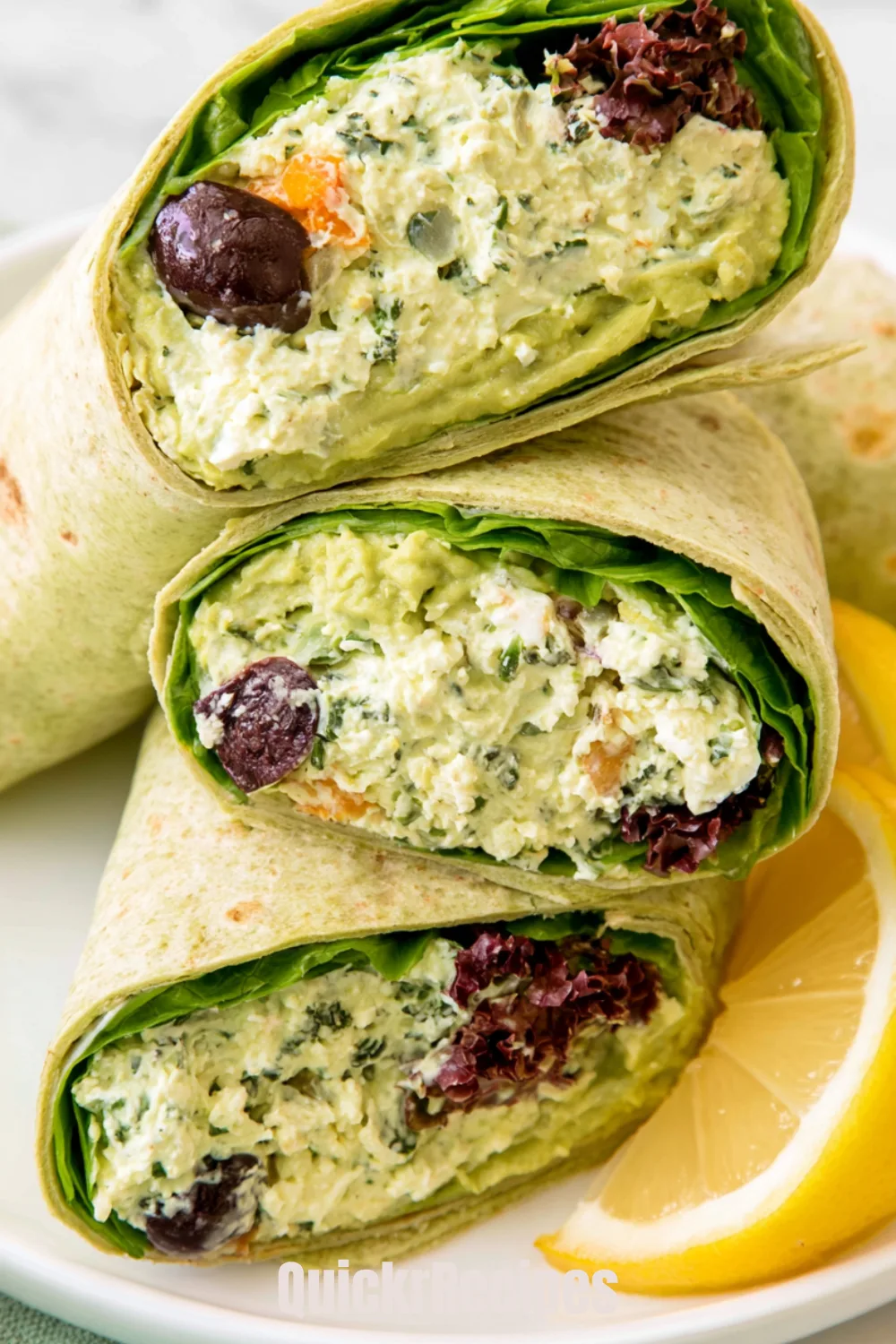
These cottage cheese wraps are soft, flexible, and packed with protein. Made with cottage cheese, eggs, and simple seasonings, they are an easy flourless alternative to traditional tortillas or sandwich wraps.
The cottage cheese is blended until smooth with eggs, then baked into a thin wrap on parchment paper. Once cooled, it can be filled with chicken, turkey, avocado, lettuce, cheese, vegetables, tuna salad, or your favorite high-protein lunch ingredients.
These wraps are naturally gluten-free when made with certified gluten-free seasonings and fillings. They are also low in carbohydrates compared with many flour tortillas, although the exact nutrition depends on the cottage cheese brand and serving size.
Why You’ll Love These Cottage Cheese Wraps
A simple high-protein lunch idea
Cottage cheese and eggs make these wraps a satisfying option for lunch, breakfast, or meal prep. They are especially useful when you want a protein-rich alternative to bread, tortillas, or flatbreads.
The recipe uses only a few base ingredients, but the wraps can be seasoned in many ways. Use garlic powder and Italian herbs for a savory sandwich wrap, taco seasoning for a Mexican-inspired version, or smoked paprika and black pepper for a bolder flavor.
Soft, flexible, and easy to fill
When blended well and baked just until set, cottage cheese wraps are soft enough to fold or roll around fillings. They have a mild, savory flavor that works with both cold and warm ingredients.
For the most flexible wrap, allow it to cool fully on the parchment paper before trying to lift or roll it. Pulling it off while hot can cause tearing.
A low-carb alternative to traditional wraps
Traditional flour tortillas are mostly carbohydrate-based, while this cottage cheese wrap recipe gets much of its structure from eggs and protein-rich cottage cheese. This makes it a practical option for readers looking for lower-carb lunch ideas.
However, avoid claiming exact “keto” or macro values unless you calculate them from the exact brands and quantities you use. Cottage cheese varies widely in fat, sodium, and protein content.
Ideal for meal prep and quick lunches
Bake the wrap in advance, cool it completely, and store it with parchment paper between layers. When ready to eat, add fillings and roll it just before serving.
For the best texture, store the plain wraps separately from wet fillings such as tomatoes, sauces, or avocado. This helps prevent the wraps from becoming soggy.
Ingredients and Equipment for Cottage Cheese Wraps
Cottage cheese and eggs
Use cottage cheese with the fat percentage you prefer. Full-fat cottage cheese often creates the richest flavor, while low-fat cottage cheese can work well too. Choose small-curd cottage cheese when possible because it blends more smoothly.
Eggs provide the structure that allows the wrap to bake and hold together. They should be blended completely with the cottage cheese so the mixture is smooth and evenly colored.
Seasonings for extra flavor
For a basic savory wrap, use garlic powder, onion powder, dried Italian seasoning, salt, and black pepper. You can adjust the seasonings depending on your filling.
Try these flavor ideas:
- Taco seasoning with chicken, salsa, lettuce, and avocado
- Italian seasoning with turkey, mozzarella, spinach, and pesto
- Smoked paprika with grilled chicken, cucumber, and yogurt sauce
- Everything bagel seasoning with smoked salmon, cream cheese, and arugula
Check seasoning labels if you need the wraps to be gluten-free, as some spice mixes can contain added ingredients.
Blender or food processor
A blender, food processor, or immersion blender is important for the smoothest cottage cheese wrap. Blend until no visible curds remain.
A high-speed blender creates the smoothest batter, but a regular blender also works. Stop and scrape down the sides once or twice if needed.
Parchment paper and baking sheet
Use parchment paper, not wax paper. Parchment paper prevents the baked wrap from sticking and makes it easier to lift from the pan after cooling.
Use a rimmed baking sheet, approximately 9-by-13 inches, for one large wrap. Spreading the batter evenly is important; uneven thickness can lead to dry edges and an undercooked center.

How to Make Cottage Cheese Wraps
Blend cottage cheese and eggs until smooth
Preheat your oven to 375°F / 190°C. Line a 9-by-13-inch rimmed baking sheet with parchment paper, allowing the paper to extend a little over the sides for easy removal.
Add cottage cheese, eggs, garlic powder, onion powder, Italian seasoning, salt, and pepper to a blender. Blend for 30 to 60 seconds, stopping to scrape down the sides if needed, until the mixture is completely smooth.
The batter should be pourable but not watery. If it looks very thin, make sure you measured the cottage cheese correctly and allow it to sit for a few minutes before baking.
Spread the mixture on a lined baking sheet
Pour the cottage cheese mixture onto the lined baking sheet. Use an offset spatula or the back of a spoon to spread it into an even rectangle, approximately ¼ inch thick.
Make the center and edges as even as possible. Very thin edges can become crisp and difficult to roll, while thick spots may need more baking time.
Bake until the wrap is set
Bake for 20 to 25 minutes, until the surface looks dry and set and the center no longer jiggles. The edges may become lightly golden, but avoid baking too long because overbaking makes the wrap dry and less flexible.
Because this recipe contains eggs, ensure the center reaches 160°F / 71°C if checking with a food thermometer. USDA guidance states that egg dishes should reach 160°F / 71°C.usda+1
Cool before adding your favorite fillings
Remove the baking sheet from the oven and let the wrap cool completely on the parchment paper. Cooling helps it firm up and makes it easier to peel away without tearing.
Once cool, carefully lift the wrap from the parchment paper. Add fillings in the center, leaving a border around the edges, then fold the sides inward and roll tightly like a burrito or wrap.
Tips for Flexible Cottage Cheese Wraps
Use parchment paper to prevent sticking
Parchment paper is essential. Even a well-greased pan can cause the cottage cheese and egg wrap to stick or tear.
For extra insurance, lightly mist the parchment with cooking spray before adding the batter. If the wrap still sticks, let it cool longer; it usually releases more easily once fully cool.
Blend the mixture completely smooth
Visible cottage cheese curds can create weak points in the wrap and may lead to cracking when rolled. Blend until the batter is smooth and uniform.
If you do not have a blender, whisking may work with small-curd cottage cheese, but the texture will be less smooth and the wrap may not be as flexible.
Do not overbake the wrap
Bake only until the center is set. Overbaking is the most common reason cottage cheese wraps become dry, rubbery, or difficult to fold.
Oven temperatures vary, so start checking around 20 minutes. The wrap should look cooked through but still feel soft when gently pressed.
Allow wraps to cool before rolling
A hot cottage cheese wrap is delicate and more likely to tear. Let it cool completely, then lift it carefully using the parchment.
If you plan to meal prep, cool the wrap, place it between sheets of parchment, and refrigerate it flat. Roll it only after adding the filling.
Filling Ideas, Storage, and FAQs
Chicken, avocado, and lettuce wrap filling
Fill the wrap with sliced or shredded cooked chicken, avocado, crisp lettuce, cucumber, and a spoonful of Greek yogurt ranch dressing. This creates a high-protein, fresh lunch with plenty of crunch.
For meal prep, store avocado separately or add it just before serving to prevent browning.
Turkey, cheese, and crunchy vegetable filling
Layer sliced turkey, cheddar or mozzarella cheese, lettuce, bell pepper strips, cucumber, and a light mustard or yogurt-based sauce. This version is quick, familiar, and ideal for a packed lunch.
Avoid adding too much sauce, especially if you are preparing the wrap in advance.
How to store cottage cheese wraps
Store cooled plain wraps in an airtight container in the refrigerator with parchment paper between layers. Refrigerate within 2 hours of baking and keep the refrigerator at 40°F / 4°C or below.fda+1
For best quality, use the wraps within 3 days. If you have already filled them with moist ingredients, eat them sooner because vegetables and sauces can make the wrap soft.
Can you make cottage cheese wraps ahead?
Yes. Bake the wraps up to 3 days ahead and store them flat in the refrigerator. Add fillings just before serving for the best texture.
Freezing is not recommended because cottage cheese and egg-based wraps can release moisture after thawing and may become less flexible.
Cottage Cheese Wraps

Ingredients
For the cottage cheese wraps
- 1 cup cottage cheese
- 2 large eggs
- ½ teaspoon garlic powder
- ½ teaspoon onion powder
- ½ teaspoon Italian seasoning
- ¼ teaspoon fine salt
- ¼ teaspoon black pepper
- Nonstick cooking spray optional
Optional filling ideas
- Cooked shredded chicken or sliced turkey
- Lettuce spinach, or arugula
- Sliced avocado
- Cucumber or bell pepper strips
- Shredded cheddar mozzarella, or feta cheese
- Greek yogurt ranch mustard, pesto, or your preferred sauce
Instructions
- Preheat the oven to 375°F / 190°C. Line a 9-by-13-inch rimmed baking sheet with parchment paper. Lightly spray the parchment with nonstick cooking spray, if desired.
- Add the cottage cheese, eggs, garlic powder, onion powder, Italian seasoning, salt, and black pepper to a blender or food processor.
- Blend for 30 to 60 seconds, scraping down the sides as needed, until the mixture is completely smooth.
- Pour the mixture onto the prepared baking sheet. Use an offset spatula or the back of a spoon to spread it into an even rectangle, about ¼ inch thick.
- Bake for 20 to 25 minutes, until the wrap looks set, the center no longer jiggles, and the edges are lightly golden. The center should reach 160°F / 71°C if measured with a food thermometer.
- Remove from the oven and let the wrap cool completely on the parchment paper.
- Once cool, gently peel the wrap away from the parchment paper. Cut it in half to make 2 large wraps.
- Add your preferred fillings, leaving a small border around the edges. Fold in the sides and roll tightly. Serve immediately or refrigerate the plain wraps for later use.
Notes
- Use parchment paper, not wax paper, to prevent sticking.
- Blend until completely smooth for the most flexible cottage cheese wraps.
- Avoid overbaking; a dry wrap is more likely to crack when rolled.
- Let the wrap cool completely before peeling it from the parchment or adding fillings.
- Egg-based dishes should reach 160°F / 71°C for safety.usda+1
- Refrigerate cooled wraps within 2 hours and keep them at 40°F / 4°C or below.fda+1
- Store plain wraps flat, with parchment between layers, for up to 3 days.
- Add wet fillings and sauces shortly before eating to prevent sogginess.
- Freezing is not recommended because the texture may become watery after thawing.