
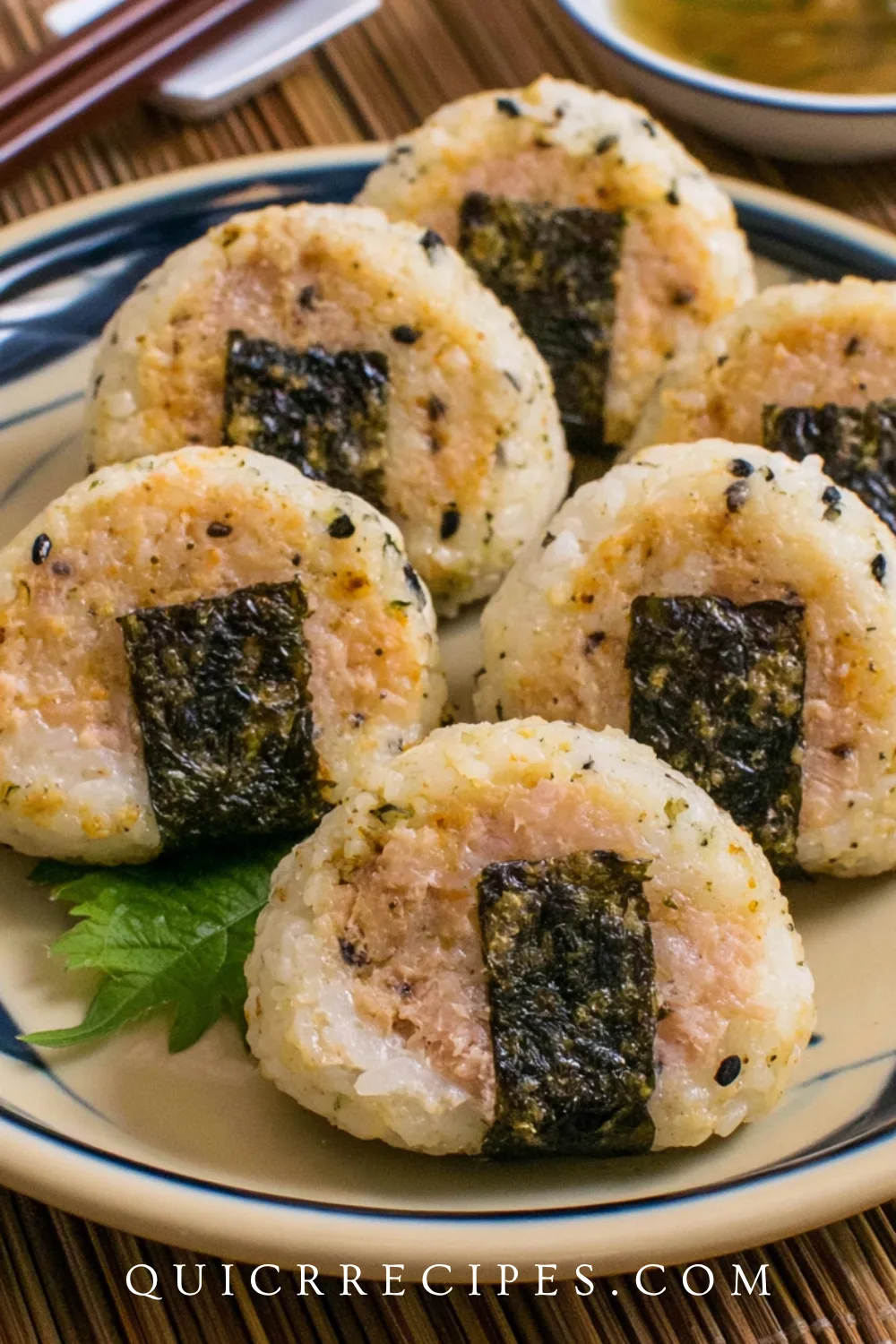
These rice balls packed with spicy tuna are a simple homemade version of Japanese-style spicy tuna onigiri. Warm, seasoned sushi rice wraps around a creamy tuna filling made with canned tuna, mayonnaise, sriracha, soy sauce, and green onion; a strip of nori makes each rice ball easy to hold and adds savory flavor.
They are great as a portable lunch, quick snack, light dinner, or addition to a sushi-inspired meal. You do not need raw fish or special equipment—an onigiri mold is helpful, but you can shape the rice balls easily by hand.
Rice Balls Packed With Spicy Tuna: Easy Onigiri Recipe
These rice balls packed with spicy tuna are a simple homemade version of Japanese-style spicy tuna onigiri. Warm, seasoned sushi rice wraps around a creamy tuna filling made with canned tuna, mayonnaise, sriracha, soy sauce, and green onion; a strip of nori makes each rice ball easy to hold and adds savory flavor.
They are great as a portable lunch, quick snack, light dinner, or addition to a sushi-inspired meal. You do not need raw fish or special equipment—an onigiri mold is helpful, but you can shape the rice balls easily by hand.
Recipe Summary
| Recipe detail | Information |
|---|---|
| Cuisine | Japanese-inspired |
| Course | Snack, lunch, appetizer, light meal |
| Servings | 6 rice balls |
| Prep time | 20 minutes |
| Cook time | 20 minutes |
| Total time | 40 minutes |
| Main keyword | Rice balls packed with spicy tuna |
| Secondary keywords | Spicy tuna onigiri, spicy tuna rice balls, tuna onigiri, Japanese rice balls |
| Estimated calories | About 250 calories per rice ball; estimate only |
What Is Spicy Tuna Onigiri?
Japanese rice balls with a creamy tuna filling
Onigiri are Japanese rice balls typically made with short-grain rice that is shaped into rounds or triangles. They can be filled with a variety of ingredients, including salmon, pickled plum, seaweed, seasoned vegetables, or tuna.
This spicy tuna onigiri recipe uses canned tuna mixed with creamy mayonnaise, sriracha, soy sauce, sesame oil, and green onion. The mixture gives you a familiar spicy-tuna flavor without needing raw tuna.
Onigiri is different from sushi
Onigiri and sushi both use Japanese-style short-grain rice, but they are not the same dish. Sushi rice is commonly seasoned with rice vinegar, sugar, and salt, while onigiri rice is often simply cooked rice seasoned lightly with salt.
For this recipe, a small amount of rice vinegar can be added for flavor, but the focus is on soft, sticky rice that is easy to shape around the spicy tuna filling.
A convenient portable lunch or snack
Spicy tuna rice balls are compact, filling, and easy to pack. Wrap the nori separately if you are taking them to school, work, or a picnic, then add it just before eating so it stays crisp.
Serve one or two rice balls with miso soup, edamame, cucumber salad, or fresh fruit for a simple lunch.
Traditional onigiri versus crispy yaki onigiri
Traditional onigiri is served soft, usually with a strip or wrap of nori seaweed. If you brush the finished rice balls with soy sauce and pan-fry them until crisp and golden, they become a variation often called yaki onigiri.
This recipe includes directions for both options. Serve them soft for the classic onigiri texture or pan-fry them for a warm, crispy rice exterior.
Ingredients for Spicy Tuna Rice Balls
Japanese short-grain rice or sushi rice
Use Japanese short-grain rice or labeled sushi rice. These rice varieties become sticky when cooked, helping the rice balls hold their shape.
Long-grain rice, jasmine rice, and basmati rice do not have enough stickiness for reliable onigiri. If those are all you have, you can still try the recipe, but the rice balls may crack or fall apart more easily.
Canned tuna for easy spicy tuna filling
Use one 5-ounce can of tuna packed in water or oil, drained very well. Canned light tuna is an easy, budget-friendly choice. Flake the tuna with a fork before mixing it with the sauce ingredients.
Choose tuna packed in oil if you prefer a richer texture, or tuna packed in water for a lighter filling. The most important step is draining it thoroughly so the filling does not make the rice wet.
Creamy spicy tuna sauce
The spicy tuna mixture includes mayonnaise, sriracha, soy sauce, sesame oil, rice vinegar, and green onion.
- Mayonnaise makes the tuna creamy.
- Sriracha provides adjustable heat.
- Soy sauce adds saltiness and umami.
- Sesame oil gives a toasted, nutty flavor.
- Rice vinegar brightens the filling.
- Green onion adds fresh flavor and a little crunch.
Kewpie mayonnaise is a popular option because of its rich, slightly tangy flavor, but regular mayonnaise works well.
Nori, furikake, and sesame seeds
Nori seaweed sheets add the classic savory wrap around each onigiri. Cut each sheet into strips instead of wrapping the entire rice ball, which makes the rice balls easier to hold.
Furikake and sesame seeds are optional, but both add flavor and texture. Furikake is a Japanese rice seasoning often made with sesame seeds, seaweed, salt, and other savory ingredients.
Spicy tuna onigiri recipes commonly pair sushi or short-grain rice with canned tuna, Kewpie-style mayonnaise, sriracha, soy sauce, nori, and optional furikake or sesame seeds.consumerreports+1
How to Make Spicy Tuna Onigiri
Step 1: Cook and season the rice
Rinse the sushi rice in a fine-mesh sieve under cold water until the water runs mostly clear. This removes excess surface starch while keeping the rice sticky enough to shape.
Add the rice and water to a rice cooker or saucepan. Cook according to the package directions. Once cooked, let the rice rest for 10 minutes, covered, then gently fluff it with a rice paddle or fork.
While the rice is still warm, season it with salt and optional rice vinegar. Let it cool just enough to handle comfortably. Do not let it become cold, because warm rice is much easier to shape.
Step 2: Make the creamy spicy tuna filling
In a small bowl, combine the drained tuna, mayonnaise, sriracha, soy sauce, sesame oil, rice vinegar, and sliced green onions.
Mix well with a fork until the tuna is creamy and evenly coated. Taste and adjust the spice level by adding more sriracha if you like a hotter filling.
If the mixture seems too wet, add more tuna or a pinch of furikake. If it seems dry, add a little more mayonnaise.
Step 3: Shape the spicy tuna rice balls
Prepare a small bowl of water and lightly salt it. Wet your hands before handling the rice so it does not stick to your palms.
Scoop about ⅓ cup warm rice into one hand and flatten it gently. Add about 1 tablespoon of spicy tuna filling in the center. Cover the filling with another small amount of rice, then press and shape the rice into a round, oval, or triangle.
Do not squeeze too hard. Gentle but firm pressure is enough to compact the rice and seal the filling inside.
Repeat with the remaining rice and filling, wetting your hands between each rice ball.
Step 4: Add nori and serve
Sprinkle the rice balls with furikake or sesame seeds, if using. Wrap a strip of nori around the bottom or center of each rice ball.
Serve immediately while the rice is soft and slightly warm. Offer extra soy sauce, sriracha, Japanese mayonnaise, or pickled ginger on the side.
For crispy spicy tuna rice balls, heat a lightly oiled nonstick skillet over medium heat. Brush the rice balls with soy sauce and pan-fry for 2 to 3 minutes per side, until the exterior is golden and crisp. Add the nori after pan-frying so it does not become tough.
Helpful Onigiri Tips and Variations
How to prevent rice from sticking to your hands
Keep a bowl of water nearby and wet your hands before shaping every rice ball. Adding a small pinch of salt to the water lightly seasons the outside of the onigiri.
Do not use too much water. Your hands should be damp, not dripping wet, because excess water can make the rice surface mushy.
How to shape onigiri without a mold
You do not need an onigiri mold. To shape a triangle by hand, place rice and filling in one palm and use your other hand to press gently into a triangular form. Rotate and press the edges lightly until it holds together.
If you prefer an easier method, shape the rice into rounds or small oval balls. The taste is exactly the same, and round rice balls are especially beginner-friendly.
Adjust the spicy tuna filling
Make the filling your own with these simple changes:
- Less spicy: Use only 1 teaspoon sriracha or replace it with a little sweet chili sauce.
- Extra spicy: Add more sriracha, chili crisp, gochujang, or finely chopped jalapeño.
- Crunchy: Mix in finely diced cucumber, celery, or crispy fried onions.
- Richer: Use tuna packed in oil and Kewpie mayonnaise.
- Lighter: Replace part of the mayonnaise with plain Greek yogurt, knowing the flavor will be tangier.
- More savory: Add a little miso paste or furikake.
Make crispy yaki onigiri
For a pan-fried yaki onigiri-style variation, chill the shaped rice balls for 15 to 20 minutes first. This helps them firm up before frying.
Heat a nonstick skillet with a small amount of neutral oil. Pan-fry the rice balls gently until crisp on multiple sides. Brush with a mix of soy sauce and sesame oil during the final minute of cooking.
Handle them carefully with a thin spatula. Turning them too frequently can cause the rice ball to split.
What to serve with spicy tuna onigiri
Serve these Japanese rice balls with:
- Miso soup.
- Steamed edamame with sea salt.
- Cucumber salad or seaweed salad.
- Pickled ginger, pickled radish, or kimchi.
- Fresh mango, pineapple, or orange slices.
- Soy sauce, ponzu, extra sriracha, or spicy mayo.
- A simple sushi-style salad with cucumber, avocado, and sesame dressing.
Storage and Spicy Tuna Onigiri FAQs
Can I make spicy tuna rice balls ahead of time?
Yes, but they are best eaten the day they are made. Onigiri has the best texture when the rice is fresh and soft.
For packed lunches, make the rice balls a few hours ahead, keep them refrigerated, and bring the nori separately. Add the nori just before eating to keep it crisp.
If making them a day ahead, store them in an airtight container and expect the rice to become firmer after refrigeration.
How long does spicy tuna onigiri last in the fridge?
Because these rice balls contain cooked rice, canned tuna, and mayonnaise, refrigerate them promptly in an airtight container and eat within 1 to 2 days for the best quality.
Cooked rice and other leftovers should be refrigerated within 2 hours of cooking, or within 1 hour when the temperature is above 90°F / 32°C. General USDA leftovers guidance allows 3 to 4 days in the refrigerator, but for this seafood-and-rice dish, using it sooner is the better choice for freshness and texture.fsis.usda+2
Can I use regular rice instead of sushi rice?
Japanese short-grain rice or sushi rice is strongly recommended because it is naturally sticky. Regular long-grain rice does not cling together as well and may cause the rice balls to crumble.
If regular rice is your only option, slightly overcook it and press the rice balls more firmly. However, the texture will not be as close to traditional onigiri.
Can I use raw tuna instead of canned tuna?
You can use sushi-grade raw tuna only if you have purchased and handled it specifically for raw consumption. However, this recipe is designed for canned tuna, which is more affordable, easy to find, and convenient for home cooks.
If using raw tuna, keep it cold, follow safe seafood-handling practices, and eat the rice balls immediately rather than storing them.
Which canned tuna is best?
Canned light tuna is commonly used for a lighter, budget-friendly filling. If you eat tuna frequently, check the can label and consider the tuna type: public health advice generally classifies canned light tuna as a lower-mercury “Best Choice,” while albacore/white tuna is typically higher in mercury.
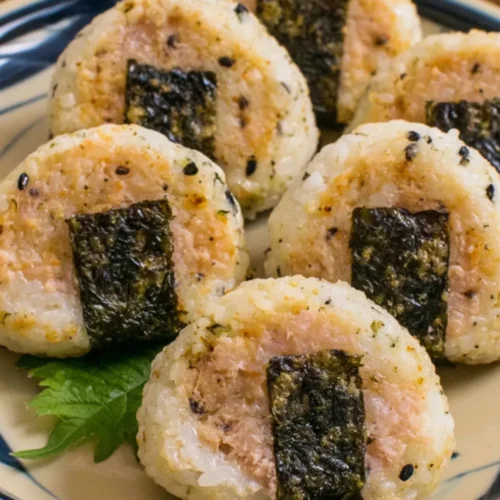
Rice Balls Packed With Spicy Tuna

Ingredients
For the rice
- 1½ cups Japanese short-grain rice or sushi rice
- 2 cups water or the amount directed on the rice package
- ½ teaspoon fine salt
- 1 tablespoon rice vinegar optional
- 1 teaspoon sugar optional
For the spicy tuna filling
- 1 can tuna 5 ounces / 142 grams, drained very well
- 3 tablespoons Kewpie mayonnaise or regular mayonnaise
- 1 to 2 tablespoons sriracha sauce to taste
- 1 teaspoon soy sauce
- ½ teaspoon toasted sesame oil
- 1 teaspoon rice vinegar
- 2 green onions thinly sliced
- 1 tablespoon furikake optional
- 1 teaspoon sesame seeds optional
For assembling
- 3 nori seaweed sheets cut into 2 strips each
- Water for wetting your hands
- Pinch of salt optional
- Soy sauce sriracha, spicy mayo, or pickled ginger, for serving
Instructions
- Rinse the sushi rice under cold water in a fine-mesh sieve until the water runs mostly clear. Add the rice and water to a rice cooker or saucepan and cook according to the package directions.
- Let the cooked rice rest, covered, for 10 minutes. Fluff gently with a rice paddle or fork. While warm, mix in the salt, rice vinegar, and sugar if using. Let cool slightly until comfortable enough to handle.
- In a small bowl, combine the drained tuna, mayonnaise, sriracha, soy sauce, sesame oil, rice vinegar, and green onions. Stir with a fork until creamy. Mix in furikake and sesame seeds if using.
- Prepare a small bowl of water with a pinch of salt. Wet your hands lightly before shaping each rice ball.
- Scoop about ⅓ cup of warm rice into one hand and flatten it gently. Add about 1 tablespoon of spicy tuna filling in the center.
- Cover the filling with a little more rice. Press and shape gently into a round, oval, or triangle, ensuring the filling is sealed inside. Repeat with the remaining rice and filling.
- Sprinkle with furikake or sesame seeds if desired. Wrap one nori strip around each rice ball.
- Serve immediately with soy sauce, extra sriracha, spicy mayonnaise, pickled ginger, or a side of cucumber salad.
Notes
- Best rice: Japanese short-grain rice or sushi rice is essential for rice balls that hold their shape. Long-grain rice is not recommended.
- No mold needed: Shape the onigiri by hand into rounds, ovals, or triangles. Keep your hands damp to stop the rice from sticking.
- Spice level: Begin with 1 tablespoon sriracha, then add more to taste.
- Nori tip: Add nori just before serving or pack it separately so it stays crisp.
- Storage: Refrigerate leftovers promptly in an airtight container. Eat within 1 to 2 days for best texture and freshness. Cooked rice should not remain at room temperature longer than 2 hours.consumerreports+1
- Food safety: Do not leave tuna rice balls unrefrigerated for extended periods, particularly in warm weather.
- Nutrition note: Nutrition varies by rice brand, tuna type, mayonnaise, and the amount of filling used.