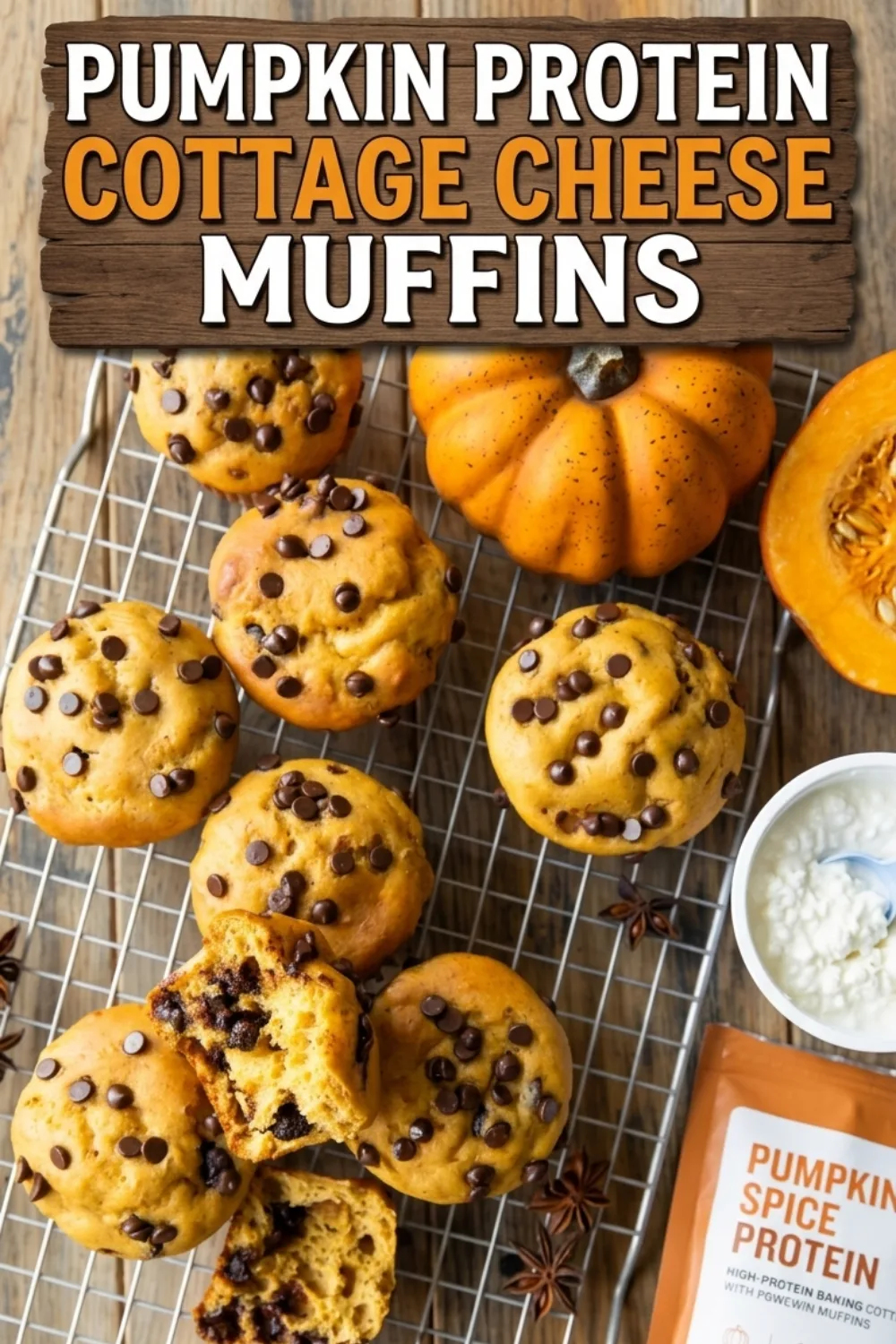
These Pumpkin Protein Cottage Cheese Muffins are soft, moist, warmly spiced, and perfect for easy meal-prep breakfasts. They are made with pumpkin purée, cottage cheese, eggs, oats, and protein powder, creating a satisfying muffin that tastes like a fall treat while offering more protein than a standard bakery-style muffin.
Blending cottage cheese into the batter gives the muffins a smooth texture without noticeable curds. Pumpkin purée adds moisture and natural sweetness, while cinnamon and pumpkin pie spice make the kitchen smell warm and cozy. Enjoy one as a quick breakfast, post-workout snack, lunchbox addition, or afternoon treat with coffee or tea.
Why You’ll Love These Pumpkin Protein Muffins
A satisfying high-protein breakfast option
These muffins are a practical breakfast when you want something quick but more filling than a plain muffin or pastry. Cottage cheese, eggs, oats, and protein powder work together to increase the protein content and create a balanced, satisfying snack.
They are especially useful for busy mornings because you can bake one batch and keep muffins ready for several days. Pair one or two muffins with fruit, Greek yogurt, eggs, or a latte for a more complete breakfast.
The exact protein per muffin depends on your ingredients. Always calculate final nutrition using the labels from your specific cottage cheese, protein powder, oats, sweetener, and mix-ins rather than relying on a general estimate.
Pumpkin flavor with warm fall spices
Pumpkin purée makes these muffins soft and moist, while pumpkin pie spice, cinnamon, vanilla, and a little maple syrup or honey add classic fall flavor. The result tastes similar to a pumpkin muffin, but with a more substantial texture and a protein boost.
Use plain pumpkin purée, not pumpkin pie filling. Pumpkin pie filling contains extra sweeteners and spices, which would make the muffins too sweet and affect the recipe’s consistency.
For a deeper pumpkin flavor, use a full ¾ cup pumpkin purée. For a more dessert-like muffin, add mini chocolate chips, chopped pecans, or a small drizzle of maple glaze after baking.
Easy meal-prep muffins for busy mornings
These blender muffins take very little hands-on time. Add the wet ingredients to a blender, blend until smooth, then mix in the dry ingredients and bake. This method breaks down cottage cheese curds and oats, making the finished muffins tender and smooth.
Bake the muffins on Sunday, then store them for quick breakfasts or snacks through the week. They are portable, freezer-friendly, and easy to warm for a few seconds in the microwave.
For meal prep, divide the muffins into individual containers with fruit, hard-boiled eggs, yogurt, or nuts. That makes grabbing breakfast before work, school, or a workout much easier.
Soft, moist muffins made with cottage cheese
Cottage cheese may sound unusual in muffins, but it is excellent for baking. Once blended, it adds moisture and protein without making the muffins taste strongly cheesy. The pumpkin, vanilla, and spices are the main flavors you will notice.
Use small-curd cottage cheese if possible because it blends quickly. Full-fat, 2%, low-fat, or fat-free cottage cheese can work, though full-fat or 2% cottage cheese usually creates the most tender muffin texture.
Do not overbake these muffins. Protein powder can make baked goods dry if they stay in the oven too long. Remove them once a toothpick comes out clean or with a few moist crumbs.
Ingredients for Pumpkin Cottage Cheese Muffins
Cottage cheese and protein powder
Use 1 cup of cottage cheese. Small-curd cottage cheese blends most easily, but any variety works if you blend until completely smooth. Full-fat or 2% cottage cheese gives the softest result, while low-fat cottage cheese makes a lighter muffin.
Use a vanilla protein powder that you enjoy drinking because its flavor will be noticeable in the muffins. Whey protein powder usually gives the lightest, softest texture. A whey-casein blend can also work well.
Plant-based protein powders can make muffins drier and more dense because they absorb more liquid. If using a plant-based powder, add 2 to 4 tablespoons extra milk and check the batter. It should be thick but scoopable, not dry or crumbly.
Pumpkin purée and pumpkin pie spice
Use ¾ cup plain pumpkin purée. Pumpkin naturally adds moisture and a gentle sweetness. Make sure the can says “100% pumpkin” or “pumpkin purée,” not “pumpkin pie mix” or “pumpkin pie filling.”
Pumpkin pie spice gives a simple blend of cinnamon, ginger, nutmeg, allspice, and cloves. Extra cinnamon makes the muffins taste warmer and more like a bakery-style pumpkin muffin.
If you do not have pumpkin pie spice, use 1 teaspoon cinnamon, ¼ teaspoon ginger, ¼ teaspoon nutmeg, and a small pinch of ground cloves.
Eggs, sweetener, and vanilla
Eggs provide structure and help the muffins rise. Use two large eggs at room temperature if possible, because they combine more smoothly with the cottage cheese and pumpkin.
Maple syrup or honey adds moisture and natural sweetness. You can use brown sugar or a granulated sugar substitute, but liquid sweeteners generally keep protein muffins softer. For lower-sugar muffins, use ¼ cup maple syrup and add a little extra cinnamon or vanilla to maintain flavor.
Vanilla extract balances the tang of cottage cheese and makes the pumpkin spice flavor taste fuller. A small pinch of salt is important because it sharpens the sweetness and spices.
Flour options and mix-ins
Oat flour is the easiest option because it provides a soft, hearty texture and blends well with pumpkin. You can buy oat flour or make it by blending rolled oats into a fine flour before beginning the recipe.
All-purpose flour, whole-wheat flour, or a 1:1 gluten-free flour blend can also work. Oat flour is naturally gluten-free only when the oats are specifically labeled gluten-free.
Optional mix-ins include mini chocolate chips, chopped pecans, walnuts, raisins, dried cranberries, pumpkin seeds, or white chocolate chips. Use no more than ½ cup total mix-ins so the muffins do not become too heavy.
How to Make Pumpkin Protein Cottage Cheese Muffins
Blend cottage cheese for a smooth batter
Preheat the oven to 175°C / 350°F. Line a 12-cup muffin pan with paper liners or grease it well with nonstick spray. Protein muffins can stick more than regular muffins, so liners are recommended.
Add cottage cheese, pumpkin purée, eggs, maple syrup, vanilla extract, and milk to a blender. Blend for 30 to 45 seconds, scraping down the sides once if needed, until completely smooth.
The mixture should look creamy and orange with no visible cottage cheese curds. This step is what gives the muffins a smooth, tender interior.
Mix the pumpkin muffin batter
Pour the blended wet mixture into a large bowl. Add oat flour, vanilla protein powder, pumpkin pie spice, cinnamon, baking powder, baking soda, and salt.
Fold gently with a spatula until just combined. Do not overmix. The batter should be thick but easy to scoop. If it feels extremely thick or dry, stir in 1 to 3 tablespoons milk. If it seems too thin, let it rest for 5 minutes so the oats absorb some moisture.
Fold in chocolate chips, nuts, raisins, or pumpkin seeds if using. Save a few mix-ins to sprinkle on top for a bakery-style appearance.
Fill the muffin pan evenly
Divide the batter evenly among the 12 muffin cups. Fill each cup about three-quarters full. A cookie scoop works well for neat, evenly sized muffins.
If desired, sprinkle the tops with a few mini chocolate chips, chopped nuts, oats, pumpkin seeds, or a light dusting of cinnamon before baking. Do not add too many toppings, or they can prevent the muffins from rising evenly.
Tap the muffin pan gently on the counter once or twice to remove large air pockets.
Bake, cool, and enjoy
Bake for 16 to 20 minutes, until the tops are set and a toothpick inserted into the center comes out clean or with a few moist crumbs. Do not overbake, especially if using whey protein powder.
Let the muffins cool in the pan for 5 minutes, then transfer them to a wire rack to cool completely. The muffins will finish setting as they cool.
Enjoy the muffins warm, at room temperature, or chilled. For a warm breakfast, microwave one muffin for 10 to 15 seconds after it has been refrigerated.
Tips and Variations
How to choose protein powder for muffins
Vanilla whey protein powder is the easiest choice for a soft, tender muffin. A vanilla whey-casein blend also works well. Different brands absorb liquid differently, so batter thickness may vary.
Avoid using a very gritty protein powder or one with an intense artificial sweetener taste. The flavor becomes more noticeable after baking. If your protein powder is already very sweet, reduce the maple syrup to ¼ cup.
For plant-based protein powders, add extra milk slowly as needed. Plant protein blends made from pea, brown rice, or hemp are often more absorbent than whey and can make muffins dry if the batter is not adjusted.
How to keep protein muffins moist
Use pumpkin purée and cottage cheese as written, and do not replace both eggs with egg whites. The yolks contribute fat and tenderness, which are especially important in recipes containing protein powder.
Do not overmix the batter or overbake the muffins. Begin checking them at 16 minutes. If the toothpick has a few moist crumbs, take them out; the muffins continue cooking slightly from residual heat.
Store muffins in an airtight container once cool. If your climate is hot, refrigerate them rather than leaving them at room temperature for a long time.
Add chocolate chips, walnuts, or raisins
For Pumpkin Chocolate Chip Protein Muffins, fold in ½ cup mini chocolate chips. Mini chips distribute more evenly than large chips and do not weigh down the muffins as much.
For Pumpkin Pecan Protein Muffins, use ½ cup chopped pecans or walnuts. Toasting the nuts first gives them a richer flavor. Raisins or dried cranberries also work well and create a sweeter, fruitier muffin.
You can combine mix-ins, but keep the total amount at ½ cup. For example, use ¼ cup mini chocolate chips plus ¼ cup chopped pecans.
Make gluten-free pumpkin protein muffins
This recipe can be gluten-free when you use certified gluten-free oat flour and verify that your protein powder, baking powder, and any mix-ins are gluten-free.
Do not substitute coconut flour or almond flour in equal quantities. They absorb liquid very differently and would require a separate recipe formula. If you use a gluten-free all-purpose flour blend instead of oat flour, use one designed as a 1:1 replacement for wheat flour.
Storage, Meal Prep, and FAQs
How to store cottage cheese muffins
Because these muffins contain cottage cheese and eggs, store them in an airtight container in the refrigerator after they have cooled. They are best within 4 to 5 days.
Place a sheet of paper towel in the bottom of the container to absorb excess moisture, then place another sheet on top before closing the lid. This helps prevent the muffins from becoming sticky on the surface.
For serving, bring a muffin to room temperature for about 15 minutes or warm it briefly in the microwave.
Can you freeze pumpkin protein muffins?
Yes. These muffins freeze well for up to 2 to 3 months for best quality. Let them cool completely, then wrap them individually or place them in a freezer-safe bag or container.
To prevent freezer burn, remove as much air as possible from the bag. Label the container with the date so you can use the oldest muffins first.
Thaw one muffin overnight in the refrigerator or for 30 to 60 minutes at room temperature. You can also microwave a frozen muffin in short intervals at reduced power until warmed through.
How to reheat muffins for breakfast
For a refrigerated muffin, microwave it for 10 to 15 seconds. For a frozen muffin, microwave at 50% power for 30 seconds, then continue in 10-second intervals until warm.
Avoid overheating because protein muffins can become rubbery if microwaved for too long. You can also warm them in a 150°C / 300°F oven for about 5 to 7 minutes.
Serve warm with Greek yogurt, nut butter, a little cream cheese, or a drizzle of maple syrup if you want a sweeter breakfast.
How much protein is in each muffin?
With a batch of 12 muffins, expect approximately 8 to 11 grams of protein per muffin when using 1 cup cottage cheese, 2 eggs, and one standard scoop of whey protein powder. The exact number depends on the brand and amount of protein powder and cottage cheese you choose.
For an accurate WP Recipe Maker nutrition label, enter your exact ingredients and quantities into your recipe-nutrition tool. Do not claim a precise protein amount in the post title, recipe card, or Pinterest graphics unless you have calculated it using the brands you actually used.
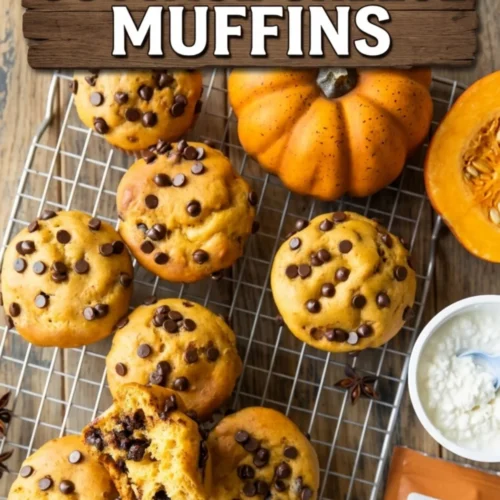
Pumpkin Protein Cottage Cheese Muffins

Ingredients
For the pumpkin protein cottage cheese muffins
- 1 cup cottage cheese preferably 2% or full-fat
- ¾ cup plain pumpkin purée not pumpkin pie filling
- 2 large eggs
- ⅓ cup pure maple syrup or honey
- 2 teaspoons vanilla extract
- ¼ cup milk of choice plus more as needed
- 1½ cups oat flour
- ½ cup vanilla protein powder
- 2 teaspoons pumpkin pie spice
- 1 teaspoon ground cinnamon
- 1½ teaspoons baking powder
- ½ teaspoon baking soda
- ¼ teaspoon salt
Optional mix-ins and toppings
- ½ cup mini chocolate chips
- ½ cup chopped pecans or walnuts
- ½ cup raisins or dried cranberries
- 2 tablespoons pumpkin seeds
- Extra oats for topping
- Extra cinnamon for topping
Instructions
- Preheat the oven to 175°C / 350°F. Line a 12-cup muffin pan with paper liners or grease it thoroughly with nonstick cooking spray.
- Add the cottage cheese, pumpkin purée, eggs, maple syrup, vanilla extract, and milk to a blender.
- Blend for 30 to 45 seconds, scraping down the sides as needed, until the mixture is completely smooth and no cottage cheese curds remain.
- Pour the blended mixture into a large mixing bowl.
- Add the oat flour, protein powder, pumpkin pie spice, cinnamon, baking powder, baking soda, and salt.
- Fold gently with a spatula just until combined. If the batter is too thick to scoop, add 1 to 3 tablespoons additional milk. Fold in optional mix-ins, if using.
- Divide the batter evenly between the 12 muffin cups, filling each about three-quarters full. Sprinkle with optional toppings if desired.
- Bake for 16 to 20 minutes, until the muffin tops are set and a toothpick inserted into the center comes out clean or with a few moist crumbs.
- Cool in the muffin pan for 5 minutes. Transfer the muffins to a wire rack and cool completely before storing.
- Store cooled muffins in an airtight container in the refrigerator and enjoy within 4 to 5 days, or freeze for longer storage.
Notes
- Best cottage cheese: Small-curd 2% or full-fat cottage cheese typically makes the softest muffins, but any cottage cheese can work when blended well.
- Best protein powder: Vanilla whey or a whey-casein blend usually produces the best soft texture. Plant-based protein may need 2 to 4 tablespoons extra milk.
- Do not use pumpkin pie filling: Use only plain pumpkin purée.
- Batter texture: It should be thick but scoopable. Add milk gradually only if it is dry or stiff.
- Avoid dry muffins: Do not overbake. Check at 16 minutes and remove when a toothpick has moist crumbs rather than wet batter.
- Gluten-free option: Use certified gluten-free oat flour and check all ingredient labels.
- Dairy-free option: Use thick dairy-free cottage-cheese alternative, plant milk, and plant-based protein powder, but expect a different texture.
- Storage: Refrigerate because the muffins contain cottage cheese and eggs. Freeze individual muffins for up to 2 to 3 months for best quality.
- Raw batter safety: Do not taste the unbaked batter. Flour and raw eggs can carry germs, so bake the muffins fully before eating.