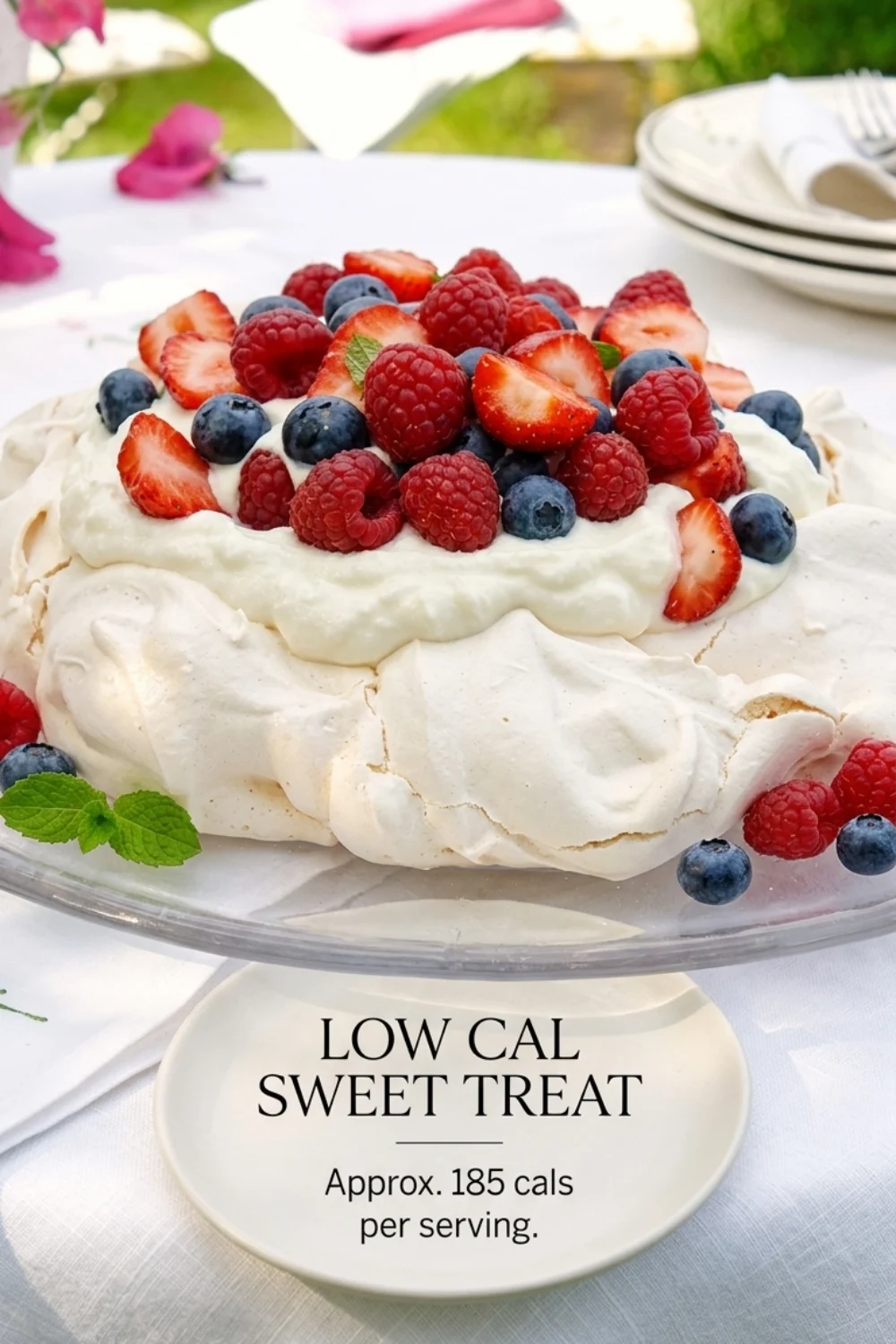
Why You’ll Love This Low Cal Sweet Treat
This chocolate Greek yogurt mousse is a simple answer when you want dessert but do not want to spend time baking. It is creamy, chocolatey, flexible, and made in one bowl with no oven, blender, or stovetop required.
The texture comes from thick Greek yogurt, while cocoa powder provides a strong chocolate flavor. Vanilla and a tiny pinch of salt round out the flavor and prevent the dessert from tasting flat.
A quick chocolate dessert in minutes
You only need about five minutes to stir the mousse together. It can be eaten immediately, but chilling it for 20–30 minutes gives it a firmer texture that feels more like traditional mousse.
This makes it especially practical for late-night cravings, quick afternoon snacks, or days when you want a homemade dessert without baking a full cake or cheesecake.
Made with simple ingredients
The basic recipe uses Greek yogurt, cocoa powder, sweetener, vanilla, and salt. These are versatile ingredients that can be adjusted to fit your taste.
For example, you can use:
- Maple syrup for a warm caramel-like sweetness.
- Honey for floral sweetness.
- Stevia, monk fruit, or another calorie-free sweetener if that suits your recipe plan.
- Dairy-free yogurt and dairy-free milk for a plant-based version.
- Extra cocoa powder for darker chocolate flavor.
Recipes using Greek yogurt, cocoa powder, sweetener, honey or maple syrup, vanilla, and salt are common for a simple chocolate yogurt mousse.geekynutritionist+2
Easy to portion for dessert
Making two individual servings helps you control portions and gives the recipe a more polished presentation. Serve the mousse in small glasses, jars, ramekins, or bowls.
Toppings add contrast, but they also change the final nutrition. Fresh berries provide a bright, juicy finish, while chocolate chips, nut butter, chopped nuts, and coconut add more richness.
Flexible for different eating preferences
You can use nonfat, low-fat, or 2% Greek yogurt. Nonfat yogurt can lower calories but may have a sharper tang and less creamy texture. Low-fat or 2% yogurt typically creates a richer mousse.
If you are dairy-free, use a thick unsweetened plant-based yogurt. Coconut yogurt creates a creamier flavor, while soy yogurt often provides more protein than other plant-based options.
Ingredients for This Healthy Dessert
The ingredient list is short, but ingredient quality and proportions strongly affect the final taste and texture.
Greek yogurt
Greek yogurt is the base of this recipe. It is strained, so it is generally thicker than standard yogurt and creates a dense, mousse-like texture without needing whipped cream.
Choose plain Greek yogurt rather than vanilla or sweetened yogurt. This gives you control over the sweetness and prevents the recipe from becoming overly sugary.
Your choices include:
- Nonfat Greek yogurt: Lighter and tangier.
- Low-fat Greek yogurt: A balanced choice for texture and richness.
- 2% Greek yogurt: Creamier and less tart.
- Whole-milk Greek yogurt: Richest texture, but higher in calories.
- Dairy-free Greek-style yogurt: Suitable for a plant-based option.
For the thickest texture, avoid thin regular yogurt. If regular yogurt is your only option, strain it through cheesecloth or a coffee filter for a short time before using.
Cocoa powder
Use unsweetened cocoa powder. It gives the mousse its chocolate flavor without adding sugar. Natural cocoa powder has a slightly sharper, more acidic chocolate flavor, while Dutch-process cocoa tends to taste smoother and darker.
Sift the cocoa powder if it looks clumpy. This makes it easier to mix smoothly into the yogurt.
Start with 2 tablespoons. If you prefer a more intense chocolate flavor, add an extra 1/2 tablespoon, then adjust the sweetener to balance it.
Sweeteners and flavor additions
Use the sweetener that best fits your preferences:
- Maple syrup.
- Honey.
- Granulated sugar.
- Powdered sugar.
- Stevia.
- Monk fruit sweetener.
- Erythritol blend.
Liquid sweeteners mix very easily, but they can slightly loosen the mousse. Granulated sweeteners may need more whisking to dissolve. Powdered or liquid sweeteners are usually the easiest options for a smooth texture.
Vanilla extract makes chocolate taste richer, while a tiny pinch of salt balances bitterness. You can also add instant espresso powder for a mocha flavor, cinnamon for warmth, or peppermint extract for a chocolate-mint version.
Optional toppings
Toppings should be used in modest amounts if you want the finished recipe to remain light. A few berries, cacao nibs, or dark chocolate shavings can make a small serving look more special without overwhelming it.
Try one of these topping combinations:
- Strawberries and a light dusting of cocoa powder.
- Raspberries and a few dark chocolate shavings.
- Sliced banana and 1 teaspoon peanut butter.
- Blueberries and chopped pistachios.
- Toasted coconut and lime zest.
- Cacao nibs and a pinch of flaky sea salt.
How to Make This Easy Low Cal Dessert
The recipe has no cooking step, but mixing well is important. Cocoa powder can clump, and Greek yogurt can be very thick, so use a whisk rather than only a spoon if possible.
Prepare the base mixture
Add Greek yogurt, cocoa powder, sweetener, vanilla, and salt to a bowl. Use a medium-size bowl with room for whisking; a very small bowl makes it harder to incorporate the cocoa powder smoothly.
Whisk the mixture for at least one minute. At first, it may look streaky or thick. Continue mixing until the chocolate color is even and there are no visible dry cocoa pockets.
A similar one-bowl method combines Greek yogurt, cocoa powder, sweetener, and honey until smooth, then serves the mixture chilled or immediately.geekynutritionist+1
Adjust sweetness and chocolate flavor
Taste the mousse before dividing it into portions. Different cocoa powders vary in bitterness, and different Greek yogurts vary in tanginess. Adjust the recipe based on your own ingredients.
If the mousse tastes too bitter:
- Add 1 teaspoon more sweetener.
- Add an extra 1/4 teaspoon vanilla.
- Add a tiny pinch more salt.
If it is too sweet:
- Add 1/2 teaspoon additional cocoa powder.
- Stir in a spoonful of plain Greek yogurt.
- Add espresso powder for a darker flavor.
Chill for a thicker mousse texture
You can serve the mousse as soon as it is mixed, but refrigeration improves its texture. Chill it for 20–30 minutes for a cold, spoonable dessert. For a firmer make-ahead dessert, refrigerate it for up to several hours.
Cover the bowl or individual serving jars while chilling so the surface does not dry out or pick up refrigerator odors.
Portion and garnish
Divide the recipe into two small portions. This is a better approach than serving it from one large bowl, especially if you want accurate serving sizes for a recipe card.
Add toppings immediately before serving. Fresh fruit can release juice if added too early, while nuts and cacao nibs stay crunchier when kept separate until the end.
Healthy Variations and Substitutions
This base recipe can become many different healthy dessert ideas. Keep the core yogurt-and-cocoa mixture, then change flavors or toppings.
Make a higher-protein version
Greek yogurt already contributes protein, but you can increase it further by adding unflavored or chocolate protein powder. Start with 1 tablespoon, then whisk well.
Protein powder can make the mousse much thicker, so add 1–2 teaspoons of milk if needed. Be aware that brands vary in sweetness and texture, so adjust your sweetener only after tasting.
Another option is to use a higher-protein Greek yogurt, skyr, or strained yogurt product. If you calculate nutrition, use the exact yogurt brand and serving size in your recipe card.
Make it dairy-free or vegan
Use a thick unsweetened plant-based yogurt, such as coconut, soy, almond, or oat yogurt. Choose maple syrup, agave, or a vegan sugar substitute instead of honey.
Coconut yogurt gives the richest texture but adds a slight coconut flavor. Soy yogurt can be a useful option if you want a higher-protein plant-based base.
Use dairy-free chocolate chips and dairy-free milk for toppings or texture adjustments.
Make a chocolate peanut butter version
Stir 1 teaspoon of peanut butter, almond butter, or powdered peanut butter into each serving. Peanut butter adds richness, while powdered peanut butter can provide a similar flavor with less fat.
Top with banana slices, chopped peanuts, or a small drizzle of melted dark chocolate.
Make a chocolate berry parfait
Layer the mousse with berries in a small glass. Add a layer of strawberries, raspberries, or blueberries, then top with the chocolate yogurt mixture.
For a more substantial breakfast-style parfait, add a small amount of granola. Keep in mind that granola changes the calorie count and is best added immediately before serving so it stays crunchy.
Make a chocolate-mint dessert
Add 1–2 drops peppermint extract to the mousse. Peppermint is strong, so use very little. Finish with cacao nibs or finely chopped dark chocolate.
Make a mocha Greek yogurt mousse
Add 1/4 teaspoon instant espresso powder. Coffee intensifies chocolate flavor and gives the dessert a more grown-up mocha taste. Add an extra teaspoon of sweetener if needed.
Nutrition, Storage, and FAQs
Because this recipe can use different yogurt types, sweeteners, and toppings, its nutrition is not fixed. Your final calories and macronutrients should be calculated from the exact ingredients and brands you publish in your recipe card.
For context, similar Greek-yogurt chocolate desserts range widely—from approximately 143 calories per serving for a four-serving cocoa-and-maple-syrup version to around 160–210 calories for other yogurt-and-cocoa variations. Those numbers are not interchangeable with this recipe, because different brands and quantities produce different results.geekynutritionist+3
How to calculate calories per serving
To calculate recipe nutrition accurately:
- Add every ingredient into your nutrition calculator, including milk, sweetener, and toppings.
- Select the exact brand whenever possible, especially for Greek yogurt and sugar substitutes.
- Divide the total recipe nutrition by the number of servings.
- Update the calculation if you change portion sizes or ingredients.
- State the serving size clearly, such as “1/2 of the recipe” or “about 3/4 cup mousse.”
For a blog post, it is better to use language such as “lighter chocolate dessert” or “portion-friendly dessert” unless your own recipe-card nutrition calculation supports a specific claim such as “under 150 calories per serving.”
Tips for a satisfying low-calorie dessert
A light dessert should still taste satisfying. These strategies help:
- Use a small bowl or glass to make the serving feel intentional.
- Use cocoa powder and vanilla for big flavor without much volume.
- Include a small topping for texture.
- Serve the mousse cold for a thicker, more dessert-like experience.
- Use fruit for sweetness and color.
- Choose the yogurt style that you genuinely enjoy; a more satisfying dessert is easier to maintain than one that tastes overly restrictive.
How to store chocolate Greek yogurt mousse
Store the mousse in an airtight container or covered jars in the refrigerator. For best texture, enjoy it within 2–3 days.
Stir before serving if liquid collects on the surface. This is normal with yogurt-based desserts.
If you add fresh berries, it is usually best to store them separately and add them immediately before serving.
Can you freeze it?
Freezing is not recommended for the best mousse texture. Yogurt can become grainy and release water after thawing. If you do freeze it, consider serving it partially frozen as a frozen yogurt-style dessert rather than expecting the same smooth mousse texture.
Frequently asked questions
Is this recipe truly low calorie?
It can be lighter than many traditional chocolate desserts, but the final calorie count depends on the Greek yogurt, sweetener, toppings, and serving size you choose. Calculate the nutrition using your exact ingredients before making a precise calorie claim.
Can I use regular yogurt instead of Greek yogurt?
You can, but the texture will be thinner. For a thicker result, strain regular yogurt first or use less liquid. Greek yogurt is preferred because it naturally creates a mousse-like consistency.
Can I use protein powder?
Yes. Add 1 tablespoon at a time, whisk thoroughly, and add a small splash of milk if the mixture becomes too thick. Use a protein powder you already enjoy because flavors and sweetness levels vary widely.
Can I make this without sweetener?
Yes, but unsweetened cocoa and plain Greek yogurt can taste quite tangy and bitter together. For natural sweetness without added sweetener, try mashed banana, blended dates, or a sweeter flavored yogurt, while remembering that each option changes the recipe nutrition.
Why is my mousse grainy?
Cocoa powder may not have been mixed completely, or the Greek yogurt may have separated slightly. Whisk longer, sift cocoa powder before using, and add 1 teaspoon of milk if needed to smooth the texture.
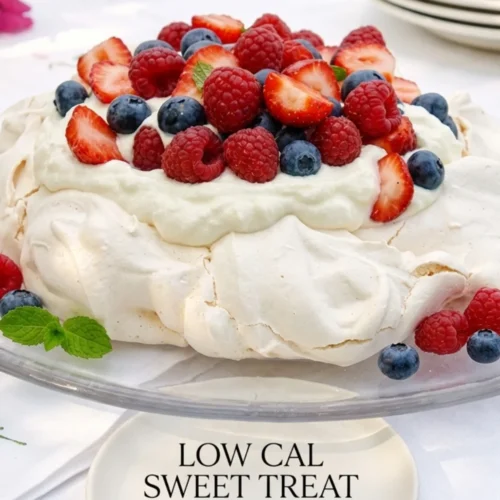
Low Cal Sweet Treat: Easy Healthy Dessert Recipe

Ingredients
Chocolate Greek yogurt mousse
- 1 cup plain Greek yogurt nonfat, low-fat, or 2%
- 2 tablespoons unsweetened cocoa powder
- 1 to 2 tablespoons maple syrup honey, or sweetener of choice, to taste
- 1/2 teaspoon vanilla extract
- 1 pinch fine salt
- 1 to 2 tablespoons milk dairy-free milk, or water, only if needed
Optional toppings
- Fresh berries
- Mini chocolate chips
- Dark chocolate shavings
- Cacao nibs
- Sliced banana
- Chopped nuts
- Unsweetened coconut flakes
Instructions
- Add Greek yogurt, cocoa powder, sweetener, vanilla extract, and salt to a medium mixing bowl.
- Whisk for 1–2 minutes until the cocoa powder is fully incorporated and the mixture is smooth and creamy.
- If the mixture is too thick, stir in milk or water 1 teaspoon at a time until it reaches your preferred texture.
- Taste and adjust sweetness or cocoa flavor as desired.
- Divide between two small serving bowls or jars.
- Serve immediately, or cover and chill for 20–30 minutes for a firmer mousse-like texture.
- Add optional toppings immediately before serving.