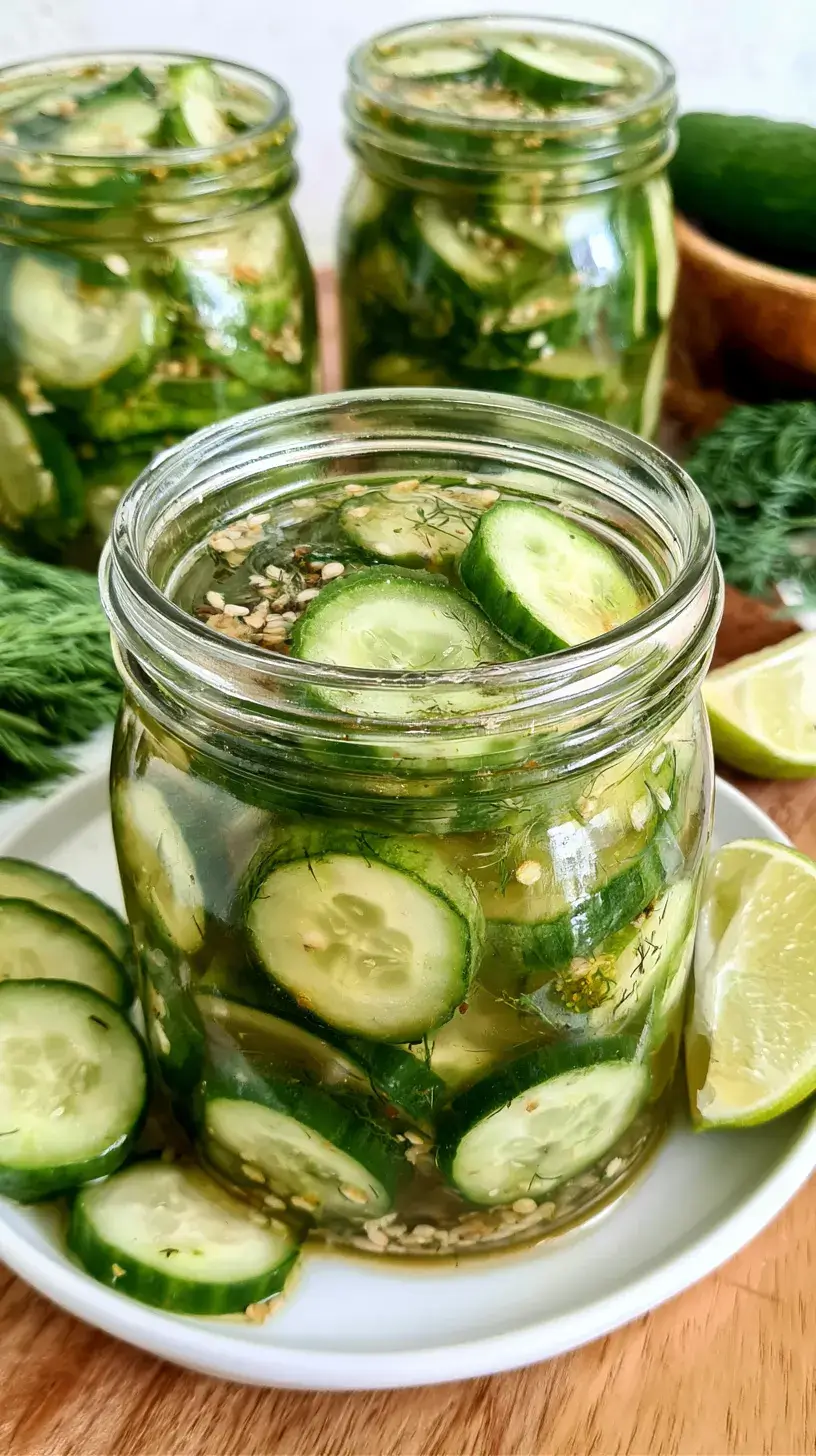
If you love crisp, tangy pickles but do not want to use a water-bath canner, these no-canning refrigerator pickle recipes are a simple place to start. The vegetables are covered with a flavorful vinegar brine, stored in the refrigerator, and ready to enjoy after the flavors develop.
Unlike shelf-stable canned pickles, refrigerator pickles must remain refrigerated. Use commercial vinegar labeled with 5% acidity, and do not reduce the amount of vinegar in the recipe.extension.illinois+1
What Are Refrigerator Pickles?
Refrigerator pickles are vegetables preserved in a vinegar-based brine and stored in the refrigerator. They are also called quick pickles or fridge pickles because they do not require traditional canning equipment or a long preservation process.
Refrigerator Pickles vs. Canned Pickles
Traditional canned pickles are processed in sealed jars to make them shelf-stable. Refrigerator pickles skip that processing step, so they must be kept cold and consumed within the recommended storage period.
Refrigerator pickles are best for small batches because they are quick to prepare and easy to customize. They are especially useful when you have extra cucumbers, onions, carrots, radishes, or peppers.
Why No Canning Is Needed
This method is designed for short-term refrigerated storage rather than pantry storage. You simply prepare the vegetables, make the brine, fill clean jars, and place them in the refrigerator.
Because these pickles are not processed for shelf stability, do not store them at room temperature or treat them like commercially canned pickles.
How Quick Pickling Works
The vinegar brine adds a bright, tangy flavor while salt helps season the vegetables. Sugar can be added to balance the acidity, and herbs and spices create different flavors.
The vegetables begin absorbing the brine immediately, but the flavor usually improves after one or two days. Some refrigerator pickle recipes recommend allowing the pickles to develop flavor for one to two days before serving.extension.illinois+1
How Long Refrigerator Pickles Take to Become Flavorful
Thin cucumber slices and onions may taste good after 24 hours. Pickle spears and larger vegetables may need two to three days for the brine to reach the center.
For the best flavor, prepare the pickles ahead of time and let them rest in the refrigerator overnight before serving.
Ingredients for Easy Refrigerator Pickle Recipes
This basic recipe makes approximately two medium jars of refrigerator pickles. You can use cucumber slices, spears, or a combination of vegetables.
Best Cucumbers for Crisp Pickles
Choose small, firm cucumbers with thin skin and few seeds. Pickling cucumbers are ideal, but fresh garden cucumbers can also work well.
Wash the cucumbers thoroughly and trim a thin slice from the blossom end. The blossom end may contain enzymes that can contribute to soft pickles, so removing it can help maintain a firmer texture.
Vinegar, Water, and Salt for the Pickling Brine
For the brine, you will need:
- 1 cup white vinegar with 5% acidity
- 1 cup water
- 1 tablespoon pickling salt or kosher salt
- 1 tablespoon granulated sugar, optional
White vinegar gives the pickles a clean, sharp flavor. Apple cider vinegar can provide a slightly milder, fruitier taste, but always check the label and use vinegar with 5% acidity for pickling.extension.psu+1
Fresh Dill, Garlic, and Pickling Spices
For a classic refrigerator dill pickle flavor, add:
- 2–3 fresh dill sprigs
- 2 garlic cloves, sliced or lightly crushed
- 1 teaspoon black peppercorns
- ½ teaspoon mustard seeds
- ¼ teaspoon red pepper flakes, optional
You can also use dill seed, coriander seeds, bay leaves, celery seeds, or a prepared pickling spice blend.
Optional Ingredients for Sweet or Spicy Pickles
To make sweet refrigerator pickles, increase the sugar slightly according to your preferred taste. For spicy pickles, add sliced jalapeños, chili flakes, or a small piece of fresh chili pepper.
You can also add sliced red onions, carrots, radishes, green beans, or cauliflower. Cut all vegetables into similar sizes so they absorb the brine more evenly.
How to Make Refrigerator Pickles Without Canning
This beginner-friendly method requires only clean jars, fresh vegetables, and a saucepan for preparing the brine.
Prepare the Vegetables and Glass Jars
Wash the vegetables under cool running water and dry them well. Slice the cucumbers into rounds, spears, or halves, depending on how you plan to serve them.
Wash the glass jars and lids thoroughly with hot, soapy water. Rinse them well and allow them to dry. Use jars that are free from cracks, and choose containers with tight-fitting lids.
Make the Homemade Pickling Brine
Add the vinegar, water, salt, and sugar to a small saucepan. Heat the mixture while stirring until the salt and sugar dissolve.
For this refrigerator recipe, bring the brine to a gentle boil, then remove it from the heat. Using vinegar with 5% acidity is important, and you should not reduce the vinegar or change the vinegar-to-water ratio casually.extension.umaine+1
Combine the Vegetables, Brine, and Seasonings
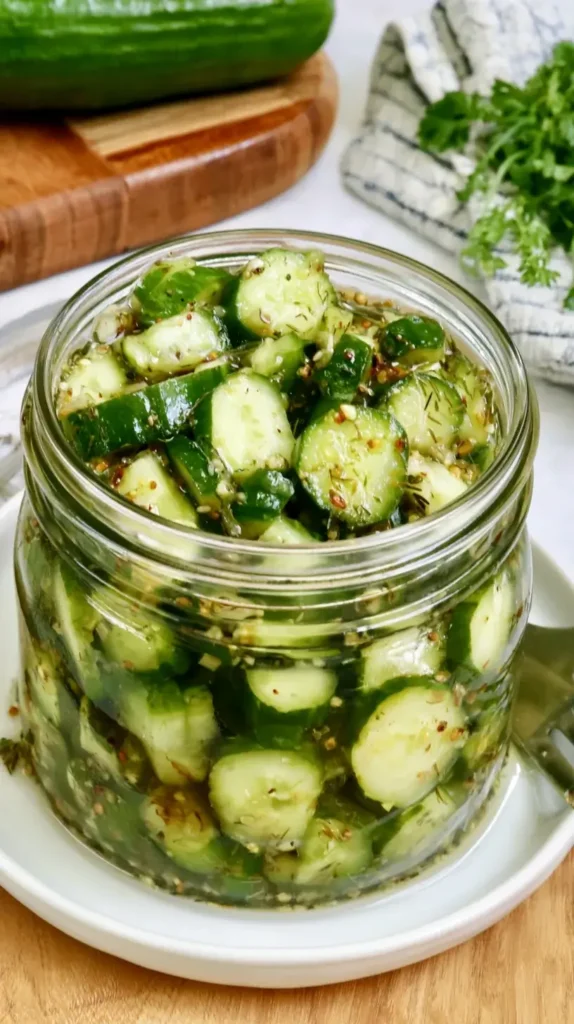
Place the dill, garlic, peppercorns, mustard seeds, and red pepper flakes into the jars. Pack the cucumber slices or spears into the jars without crushing them.
Pour the warm brine over the vegetables until they are fully covered. Leave a small amount of space at the top, then gently tap the jars on the counter to release trapped air bubbles.
Refrigerate the Pickles Before Serving
Close the jars with clean lids and allow them to cool briefly. Place the jars in the refrigerator as soon as practical.
Let the pickles develop flavor for at least 24 hours. They will usually taste even better after 48 hours, especially when using cucumber spears or larger vegetables.
Easy Refrigerator Pickle Variations to Try
Once you understand the basic brine, you can create several different no-canning pickle recipes using the same method.
Crunchy Refrigerator Dill Pickles
Use cucumber spears, fresh dill, garlic, black peppercorns, and a small amount of mustard seed. For extra crunch, choose small firm cucumbers and avoid overcooking them.
These classic dill pickles are delicious with sandwiches, burgers, grilled meats, or as a cold snack.
Garlic and Herb Refrigerator Pickles
Add extra garlic along with fresh dill, oregano, parsley, or thyme. This combination creates a fragrant pickle with a savory herb flavor.
Garlic and herb pickles work particularly well with cucumber slices, zucchini, green beans, and cauliflower.
Spicy Refrigerator Pickles with Jalapeños
Add thinly sliced jalapeños, red pepper flakes, or a fresh chili pepper to the jar. You can also add a small amount of sugar to balance the heat and acidity.
These spicy refrigerator pickles are excellent in tacos, sandwiches, burgers, grain bowls, and salads.
Pickled Onions, Carrots, and Other Vegetables
Thinly sliced red onions become bright pink and tangy after soaking in the brine. Carrots, radishes, green beans, asparagus, and cauliflower also make delicious quick pickles.
For dense vegetables such as carrots or cauliflower, cut them into thin pieces or briefly blanch them before adding the brine. This helps them soften slightly while still retaining texture.
Refrigerator Pickle Tips, Storage, and FAQs
A few simple techniques can help you make more flavorful and crunchy refrigerator pickles every time.
How to Keep Refrigerator Pickles Crunchy
Start with very fresh, firm vegetables and keep them cold before preparing the recipe. Avoid slicing cucumbers too thinly if you want a crisp texture.
Do not boil the cucumbers in the brine. Instead, pour the prepared brine over the raw vegetables, then refrigerate them promptly.
How Long Do Homemade Refrigerator Pickles Last?
For this beginner recipe, use the pickles within two weeks for best quality. Some extension recipes give refrigerator pickles a storage period of two to four weeks, but the exact time depends on the recipe, ingredients, acidity, cleanliness, and refrigerator temperature.extension.illinois+1
Keep the jars refrigerated at all times. Discard the pickles if they develop mold, an unpleasant odor, unusual sliminess, or other signs of spoilage.
Can You Reuse Refrigerator Pickle Brine?
It is best not to reuse the brine for another batch of vegetables. The vegetables release water into the brine, which can change its strength and flavor.
If you want to make another batch, prepare fresh brine instead. This gives you better flavor and more reliable acidity.
Do Refrigerator Pickles Need to Be Stored in the Fridge?
Yes. These are refrigerator pickles, not shelf-stable canned pickles. Store them in a clean, covered jar in the refrigerator and keep the vegetables submerged in the brine.
Serving Suggestions
Serve these easy refrigerator pickles as a side dish with grilled chicken, burgers, sandwiches, or roasted vegetables. You can also chop them into potato salad, tuna salad, egg salad, or a creamy pasta salad.
For a simple snack, serve cucumber pickles with cheese, olives, crackers, and fresh bread. Pickled onions and carrots are especially tasty in tacos, wraps, rice bowls, and salads.
Final Thoughts
These no-canning refrigerator pickle recipes are a quick and flexible way to preserve fresh vegetables without complicated equipment. Start with cucumbers, vinegar, salt, dill, and garlic, then experiment with sweet, spicy, and mixed-vegetable combinations.
Remember to use vinegar labeled with 5% acidity, keep the pickles refrigerated, and enjoy them within the recommended storage period. With a few basic ingredients, you can make crisp, tangy homemade pickles whenever you have fresh vegetables available.
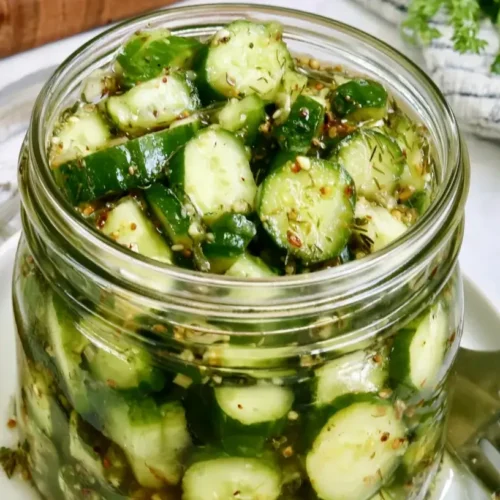
No-Canning Refrigerator Pickle Recipes for Beginners

Ingredients
Vegetables
- 4 small pickling cucumbers or 2 medium cucumbers
- 2 fresh dill sprigs
- 2 garlic cloves thinly sliced or lightly crushed
Pickling Brine
- 1 cup white vinegar 5% acidity
- 1 cup water
- 1 tablespoon kosher salt or pickling salt
- 1 tablespoon granulated sugar optional
Seasonings
- 1 teaspoon whole black peppercorns
- ½ teaspoon mustard seeds
- ¼ teaspoon red pepper flakes optional
Instructions
- Prepare the cucumbers: Wash the cucumbers thoroughly and trim the ends. Cut them into slices, spears, or chips, depending on your preference.
- Prepare the jars: Wash two medium glass jars and their lids with hot, soapy water. Rinse them well and allow them to dry.
- Add the seasonings: Place the fresh dill, garlic, black peppercorns, mustard seeds, and red pepper flakes into the jars.
- Pack the cucumbers: Add the cucumber slices or spears to the jars. Pack them firmly but avoid crushing the vegetables.
- Make the brine: Add the vinegar, water, salt, and sugar to a small saucepan. Heat over medium heat, stirring until the salt and sugar dissolve. Do not change the vinegar-to-water ratio.
- Pour in the brine: Carefully pour the warm brine into the jars until the cucumbers are completely covered.
- Remove air bubbles: Tap the jars gently on the counter or use a clean utensil to release any trapped air bubbles.
- Cool and refrigerate: Secure the lids and allow the jars to cool briefly. Place them in the refrigerator as soon as practical.
- Chill before serving: Let the pickles rest for at least 24 hours before serving. The flavor will become stronger after 48 hours.
- Store safely: Keep the jars refrigerated and use the pickles within approximately two weeks for the best quality. Discard them if they develop mold, an unpleasant smell, or an unusual texture. Refrigerator pickle storage times can vary depending on the recipe and ingredients.
Notes
- Use fresh, firm cucumbers for the crunchiest texture.
- Do not boil the cucumbers in the brine.
- Keep the cucumbers submerged in the liquid.
- Apple cider vinegar can be used instead of white vinegar if it has 5% acidity.
- Add sliced jalapeños for spicy pickles or sliced red onions and carrots for a mixed-vegetable version.
- These pickles must remain refrigerated and should not be stored in the pantry.