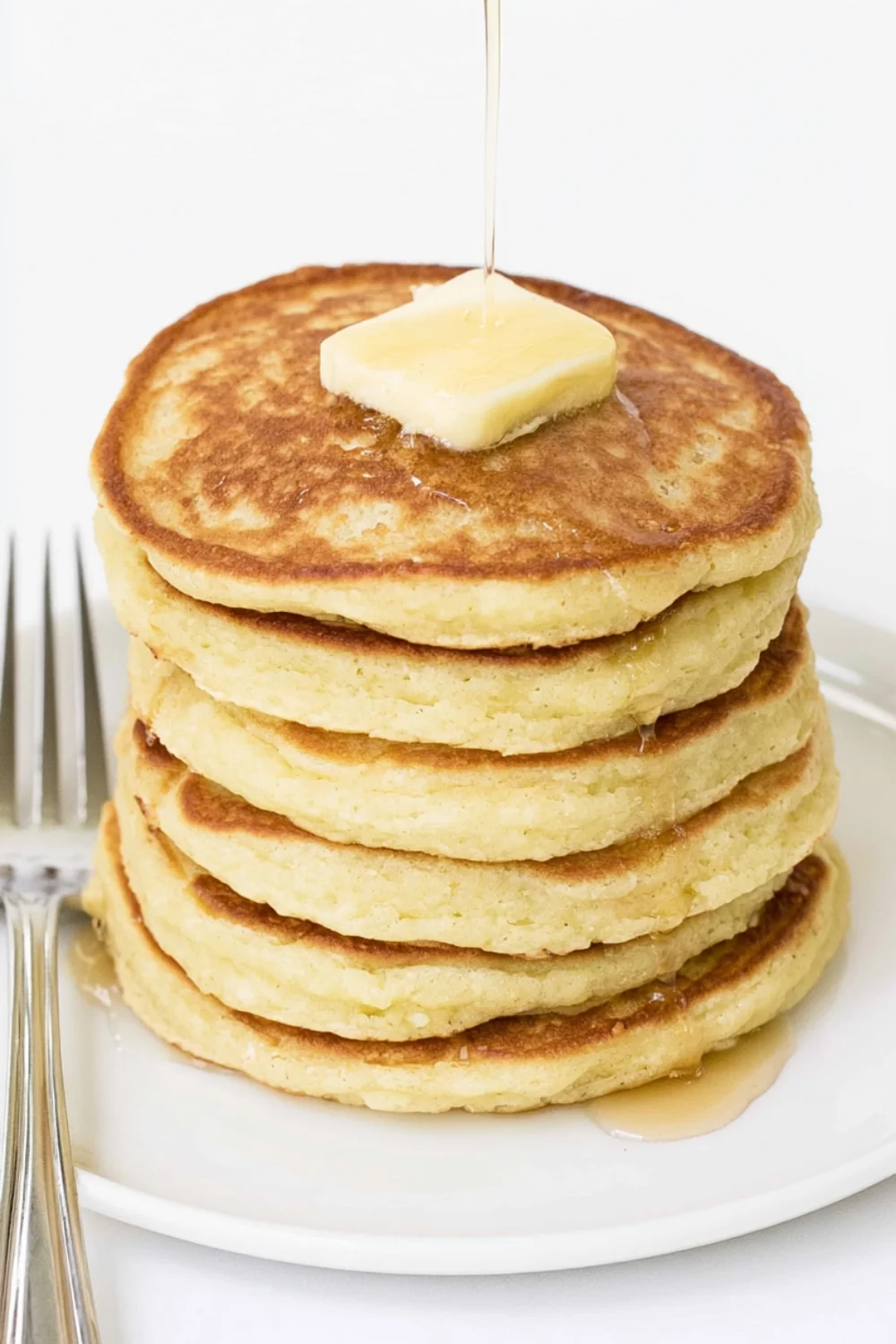
Start your morning with these incredibly fluffy keto pancakes that deliver all the satisfaction of traditional pancakes without the carbs. Made with almond flour and cream cheese, these low-carb beauties are naturally gluten-free and perfect for anyone following a ketogenic or low-carb lifestyle.
Why These Are the Best Fluffy Keto Pancakes
Low-Carb, High-Fat, and Satisfying
These pancakes provide the comfort and satisfaction of traditional pancakes while maintaining strict ketogenic macros. Each serving contains only 3-5 grams of net carbs, making them perfect for staying in ketosis while enjoying a beloved breakfast food.
The high fat content from almond flour and cream cheese provides lasting satiety that keeps you full for hours. This makes them ideal for intermittent fasting protocols or anyone who prefers a substantial breakfast.
The satisfying texture and flavor eliminate the feeling of deprivation that sometimes accompanies low-carb diets. You can enjoy pancakes without compromising your health goals or dietary restrictions.
The macros align perfectly with ketogenic requirements, typically providing 70-75% of calories from fat, 20-25% from protein, and only 5-10% from carbohydrates. This makes them an excellent choice for keto meal planning.
Tender Crumb from Almond Flour and Cream Cheese
Almond flour provides the perfect base for keto pancakes, creating a tender, slightly nutty crumb that mimics traditional pancake texture. The fine grind of almond flour ensures smooth batter without grittiness.
Cream cheese adds richness and tenderness while contributing to the fluffy texture. The fat content helps create a moist interior that doesn’t dry out like some low-carb baked goods.
The combination of these two ingredients creates a synergistic effect that produces superior texture compared to using either ingredient alone. This is the secret to achieving pancakes that rival their high-carb counterparts.
The natural oils in almond flour contribute to the moist, tender texture while providing healthy monounsaturated fats. This makes the pancakes nutritionally superior to those made with refined flours.
Naturally Gluten-Free and Grain-Free
These pancakes are inherently gluten-free, making them suitable for those with celiac disease, gluten sensitivity, or anyone choosing to avoid gluten. No special flour blends or substitutions are required.
The grain-free nature makes them paleo-friendly and suitable for those following ancestral or primal eating patterns. This broadens their appeal beyond just the keto community.
The absence of grains eliminates potential inflammatory compounds that some people seek to avoid. This makes the pancakes suitable for various therapeutic diets beyond just weight management.
The naturally gluten-free status means there’s no risk of cross-contamination from gluten-containing ingredients, provided you use certified gluten-free almond flour if necessary.
Great for Weekend Brunch or Meal Prep
These pancakes are special enough for weekend brunch entertaining while being practical enough for regular meal prep. Their impressive texture and flavor make them suitable for serving to guests who may not follow low-carb diets.
The batter can be prepared ahead and refrigerated overnight, making morning preparation quick and easy. This convenience factor makes them practical for busy lifestyles.
Cooked pancakes freeze beautifully for up to 3 months, providing convenient breakfast options for weeks to come. This makes batch cooking highly efficient for meal planning.
The versatility of toppings and flavor variations means you can enjoy them regularly without menu fatigue. Sweet or savory toppings both work well, expanding their utility.
Ingredients & Keto Swaps
Almond Flour vs Coconut Flour Notes
Almond flour is the primary flour in this recipe, providing the best texture and flavor for keto pancakes. It creates a tender crumb and mild, nutty taste that appeals to most palates.
Coconut flour can substitute for up to 25% of the almond flour but requires additional liquid due to its high absorption rate. Using too much coconut flour can create dry, dense pancakes.
Super-fine almond flour produces the smoothest batter and most tender results. Regular almond flour works but may create slightly more texture in the final pancakes.
Almond meal, which is coarser than almond flour, can be used but will create more rustic, textured pancakes. This may be preferable for those who enjoy heartier textures.
Cream Cheese Role in Texture and Richness
Full-fat cream cheese provides the richness and moisture that makes these pancakes so satisfying. The fat content contributes to the tender crumb and helps create the fluffy texture.
Room temperature cream cheese blends more easily into the batter, creating a smoother consistency. Cold cream cheese can create lumps that are difficult to eliminate.
The tangy flavor of cream cheese adds complexity that prevents the pancakes from tasting one-dimensional. This subtle tang complements the sweetness of the batter and toppings.
Reduced-fat cream cheese can be used but will result in less rich, potentially drier pancakes. The full-fat version is recommended for best results and satiety.
Sweeteners: Erythritol, Monk Fruit, or Stevia
Granulated erythritol provides bulk and sweetness without affecting blood sugar. It’s the most sugar-like in texture and works well in most keto baking applications.
Monk fruit sweetener blends offer excellent sweetness with no aftertaste. Many blends combine monk fruit with erythritol to provide the best of both sweeteners.
Liquid stevia can be used but requires careful measurement due to its concentrated sweetness. Start with small amounts and taste the batter before cooking.
Powdered versions of these sweeteners create smoother batter and are preferred for pancakes. Granulated sweeteners can work but may create slight graininess in the final product.
Eggs, Baking Powder, Vanilla, and Spices
Fresh, large eggs provide structure and richness to the pancakes. The yolks contribute fat and emulsifiers that help create tender texture, while the whites provide structure.
Baking powder is essential for creating the fluffy, risen texture that defines good pancakes. Use aluminum-free baking powder for best flavor and to avoid any metallic aftertaste.
Pure vanilla extract enhances the overall flavor profile and adds depth. Use real vanilla rather than imitation for the best taste results.
Cinnamon, nutmeg, or pumpkin pie spice can be added for flavor variation. These warm spices complement the nutty almond flour and create more interesting flavor profiles.
Step-by-Step Pancake Method
Mix Wet Ingredients Until Smooth
In a large mixing bowl, combine the softened cream cheese, eggs, and vanilla extract. Use an electric mixer or whisk to blend until completely smooth and uniform.
The mixture should be pale yellow and free of any cream cheese lumps. This typically takes 2-3 minutes of mixing with an electric mixer on medium speed.
Add any liquid sweeteners at this stage and mix until well incorporated. Liquid sweeteners blend more easily than granulated versions at this stage.
The wet mixture should be smooth enough to pour easily but thick enough to hold its shape briefly when lifted. This consistency ensures proper incorporation with the dry ingredients.
Combine Dry Ingredients and Fold In
In a separate bowl, whisk together the almond flour, baking powder, salt, and any granulated sweeteners or spices. Whisking ensures even distribution of leavening agents.
Create a well in the center of the dry ingredients and pour in the wet mixture. Using a spatula or wooden spoon, gently fold the ingredients together until just combined.
Don’t overmix the batter, as this can create dense, tough pancakes. A few small lumps are acceptable and will disappear during cooking.
The batter should be thick but pourable, similar to traditional pancake batter. If it’s too thick, add a small amount of almond milk or water to thin it slightly.
Rest Batter Briefly for Better Texture
Let the batter rest for 5-10 minutes before cooking. This allows the almond flour to fully hydrate and the baking powder to begin working, resulting in better rise and texture.
During the rest period, the batter may thicken slightly as the almond flour absorbs moisture. This is normal and desirable for achieving the best texture.
If the batter becomes too thick during resting, thin it with small amounts of liquid until it reaches the proper consistency. The batter should still be pourable after resting.
Use the rest period to preheat your griddle or skillet and prepare your cooking surface. This timing ensures everything is ready when the batter is.
Cook on Griddle: Heat, Timing, and Flipping
Heat a non-stick skillet or griddle over medium heat and add a small amount of butter or oil. The surface should be hot enough that a drop of water sizzles and evaporates quickly.
Pour about 1/4 cup of batter for each pancake onto the hot griddle. Don’t overcrowd the pan, as this can lower the temperature and affect cooking.
Cook for 2-3 minutes until bubbles form on the surface and the edges look set. Keto pancakes may take slightly longer to cook than traditional pancakes due to the different ingredients.
Flip carefully with a thin spatula and cook for another 2-3 minutes until golden brown and cooked through. The second side usually cooks faster than the first.
Tips for Maximum Fluffiness
Separating Eggs and Whipping Whites (Optional)
For extra-fluffy pancakes, separate the eggs and whip the whites to soft peaks before folding them into the batter. This creates additional air pockets that result in lighter, fluffier pancakes.
Beat the egg whites with a clean, dry whisk until they form soft peaks that hold their shape briefly when the whisk is lifted. Don’t overbeat to stiff peaks, as this can make folding difficult.
Fold the whipped whites into the batter gently but thoroughly, using a spatula and cutting motion to preserve as much air as possible. This technique requires patience but produces noticeably fluffier results.
The extra effort of whipping egg whites is particularly worthwhile for special occasions or when serving to guests who may be skeptical about keto pancakes.
Avoiding Dense Pancakes (Mixing Tips)
Mix the batter just until the ingredients are combined, with no dry spots remaining. Overmixing develops the proteins in the almond flour and can create dense, tough pancakes.
Use a gentle folding motion rather than vigorous stirring when combining wet and dry ingredients. This preserves the air bubbles that contribute to fluffy texture.
Don’t press down on the pancakes with your spatula during cooking, as this compresses the air pockets and creates denser results. Let them rise naturally.
Ensure your baking powder is fresh and active, as old baking powder won’t provide adequate lift. Test it by adding a small amount to warm water—it should bubble vigorously.
Griddle Temperature and Oil/Butter Use
Medium heat is ideal for keto pancakes—too hot and they’ll brown before cooking through, too cool and they’ll be pale and greasy. Adjust the heat as needed based on your first pancake.
Use enough butter or oil to prevent sticking but not so much that the pancakes fry rather than griddle. A light coating is sufficient for most non-stick surfaces.
Clarified butter or ghee works well for cooking and adds rich flavor. These fats have higher smoke points than regular butter and won’t burn as easily.
Coconut oil provides a subtle flavor that complements the almond flour nicely. It’s also dairy-free for those avoiding dairy products.
Keeping Pancakes Warm Without Drying
Keep cooked pancakes warm in a 200-degree Fahrenheit oven on a baking sheet while you finish cooking the remaining batter. This prevents them from getting cold without continuing to cook them.
Cover the pancakes loosely with foil to prevent them from drying out while keeping warm. Don’t seal tightly, as this can create steam that makes them soggy.
Serve the pancakes as soon as possible after cooking for the best texture and flavor. They’re at their peak when fresh from the griddle.
If you must hold them for more than 15 minutes, consider reheating briefly in a toaster or toaster oven to restore some of the fresh-cooked texture.
Serving, Macros & FAQs
Sugar-Free Syrup and Low-Carb Toppings
Sugar-free maple syrup provides the classic pancake experience without the carbs. Many brands offer excellent options that taste nearly identical to regular syrup.
Fresh berries like strawberries, blueberries, or raspberries add natural sweetness and color while keeping carbs low. Use them sparingly to stay within your carb budget.
Whipped cream sweetened with erythritol or stevia adds richness and indulgence. Make your own or buy sugar-free versions for convenience.
Chopped nuts like pecans or walnuts add crunch and healthy fats while contributing minimal carbs. Toast them lightly for enhanced flavor.
Approximate Net Carbs, Protein, and Fat
Each serving (2-3 medium pancakes) typically contains 3-5 grams of net carbs, depending on your specific ingredient choices and portion sizes. This makes them suitable for strict ketogenic diets.
Protein content ranges from 8-12 grams per serving, primarily from the eggs, cream cheese, and almond flour. This provides good satiety and helps maintain muscle mass.
Fat content is typically 25-35 grams per serving, providing the majority of calories and contributing to the satisfying, filling nature of these pancakes.
Total calories per serving range from 300-400, making them a substantial breakfast that can keep you full for hours. Adjust portion sizes based on your individual calorie needs.
Freezing and Reheating Keto Pancakes
Cool cooked pancakes completely before freezing to prevent ice crystal formation. Place them in a single layer on a baking sheet and freeze until firm, then transfer to freezer bags.
Separate individual pancakes with parchment paper in the freezer bag to prevent them from sticking together. This allows you to remove exactly the number you need.
Reheat frozen pancakes in a toaster or toaster oven for best results. This restores some of the fresh-cooked texture and prevents them from becoming soggy.
Microwave reheating works in a pinch but can make the pancakes slightly rubbery. Use medium power and short intervals to avoid overheating.
Dairy-Free or Nut-Free Adaptations
For dairy-free versions, substitute the cream cheese with dairy-free cream cheese alternatives made from coconut or cashews. The texture may differ slightly but will still be satisfying.
Nut-free adaptations require replacing the almond flour with coconut flour or sunflower seed flour. Use about 1/4 the amount of coconut flour compared to almond flour, as it’s much more absorbent.
Sunflower seed flour can substitute cup-for-cup for almond flour but may create slightly denser pancakes. It’s an excellent option for those with nut allergies.
Ensure all other ingredients are compliant with your dietary restrictions, including checking that baking powder and other processed ingredients meet your requirements.
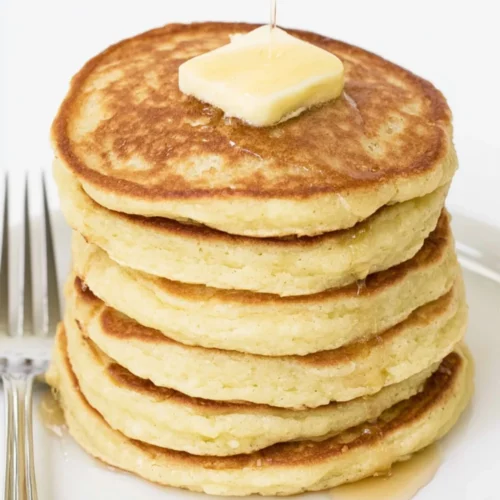
Best Fluffy Keto Pancakes

Ingredients
- 4 ounces cream cheese softened to room temperature
- 4 large eggs
- 1 cup super-fine almond flour
- 1 teaspoon baking powder aluminum-free
- 2-3 tablespoons granulated erythritol or monk fruit sweetener
- 1 teaspoon vanilla extract
- 1/4 teaspoon salt
- 1/2 teaspoon cinnamon optional
- Butter or coconut oil for cooking
For Serving (optional):
- Sugar-free maple syrup
- Fresh berries strawberries, blueberries, raspberries
- Whipped cream sugar-free
- Chopped nuts pecans, walnuts
Instructions
- Mix wet ingredients: In a large mixing bowl, combine softened cream cheese, eggs, and vanilla extract. Use an electric mixer or whisk to blend until completely smooth, 2-3 minutes.
- Combine dry ingredients: In a separate bowl, whisk together almond flour, baking powder, sweetener, salt, and cinnamon (if using).
- Make the batter: Create a well in the center of the dry ingredients and pour in the wet mixture. Using a spatula, gently fold the ingredients together until just combined. Don’t overmix. A few small lumps are fine.
- Rest the batter: Let the batter rest for 5-10 minutes. This allows the almond flour to fully hydrate and the baking powder to begin working. The batter may thicken slightly—this is normal.
- Heat the griddle: Heat a non-stick skillet or griddle over medium heat. Add a small amount of butter or coconut oil. The surface is ready when a drop of water sizzles and evaporates quickly.
- Cook the pancakes: Pour about 1/4 cup of batter for each pancake onto the hot griddle. Don’t overcrowd the pan. Cook for 2-3 minutes until bubbles form on the surface and edges look set.
- Flip and finish: Carefully flip with a thin spatula. Cook for another 2-3 minutes until golden brown and cooked through. The second side usually cooks faster.
- Keep warm: Keep cooked pancakes warm in a 200-degree Fahrenheit oven on a baking sheet while cooking remaining batter. Cover loosely with foil to prevent drying.
- Serve: Serve immediately with sugar-free syrup, fresh berries, whipped cream, and/or chopped nuts as desired.
- Storage: Store cooled pancakes in an airtight container in the refrigerator for up to 5 days or freeze for up to 3 months. Reheat in a toaster or toaster oven for best results.